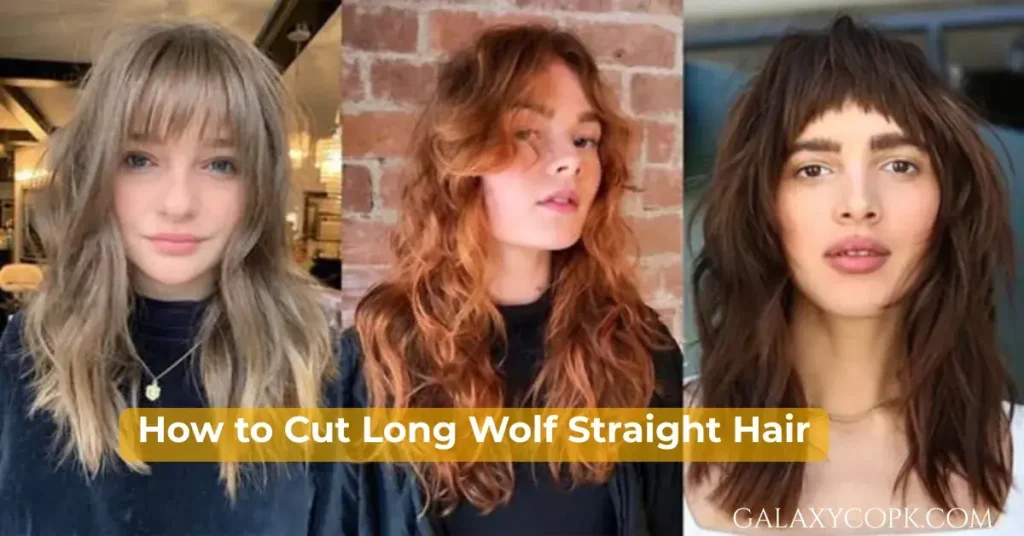

The wolf haircut has taken the world by storm, especially among those with straight hair who want an edgy yet effortlessly stylish look. Combining the drama of a mullet with the texture of a shag, the long wolf straight hair style is versatile, bold and surprisingly easy to maintain when done correctly. If you’ve ever wondered how to cut long wolf straight hair at home or in a salon, this guide will walk you through every step, covering everything from tools and preparation to styling and maintenance.
What is a Wolf Cut
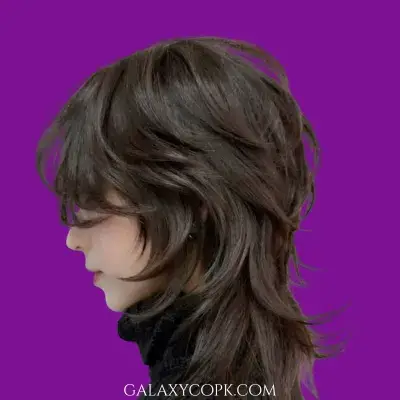
The wolf cut is a hybrid haircut, blending a shag and a mullet. Its defining feature is layers that add volume and texture, creating movement and an effortlessly cool vibe. On straight hair, the wolf cut can make hair appear fuller, even if it’s naturally fine. It works particularly well for long hair because the contrast between long lengths and textured layers emphasizes shape and dimension.
Comparison Table: Wolf Cut vs Shag vs Mullet
| Feature | Wolf Cut | Shag | Mullet |
| Layers | Heavy, textured | Light to medium | Minimal, focus on back |
| Face Framing | Strong, customizable | Moderate | Usually none |
| Hair Length Suitability | Medium to long | Short to long | Short to long |
| Maintenance | Moderate | Low | Moderate |
Tools You’ll Need to Cut Long Wolf Straight Hair
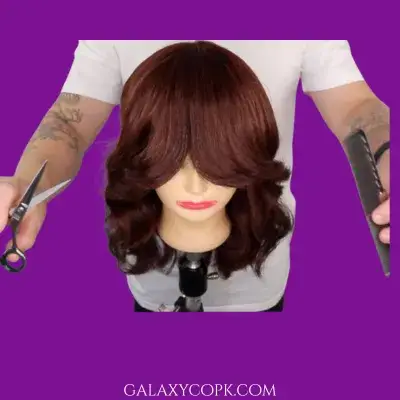
Before attempting a wolf cut, having the right tools is crucial. Using dull or incorrect scissors can ruin straight hair and make layers uneven. Here’s what you need:
- Professional Hair Cutting Scissors: For precise length trimming. Avoid using regular household scissors.
- Thinning Scissors: Essential for adding texture and removing bulk.
- Comb and Sectioning Clips: To create neat layers and manage long hair.
- Spray Bottle: Damp hair is easier to cut, but not dripping wet.
- Mirror: Preferably a dual mirror setup for checking symmetry.
Preparing Long Straight Hair Before the Cut
Proper preparation ensures that the wolf cut turns out flawless. Straight hair behaves differently depending on its texture, so follow these steps:
- Wash and Condition Hair: Clean hair is easier to handle. Use a smoothing conditioner to reduce frizz.
- Drying Techniques: For beginners, cut hair slightly damp. Professionals often prefer completely dry hair for precise layering.
- Section Hair: Divide hair into three or four sections horizontally. Clip the top layers out of the way to focus on bottom layers first.
Products Popular in the U.S. for Preparation
| Product Type | Recommended Brands | Benefit |
| Shampoo & Conditioner | L’Oreal, Olaplex | Smooths hair and prevents damage |
| Heat Protectant Spray | Tresemmé, CHI | Protects hair if blow-drying later |
| Texturizing Spray | Oribe, Bumble & Bumble | Adds volume for precise cutting |
Step-by-Step Guide to Cutting Long Wolf Straight Hair
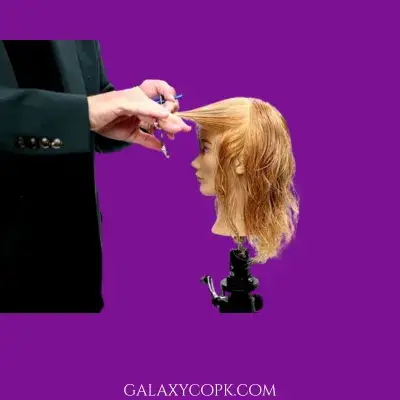
Cutting a wolf haircut is an art, but it’s manageable if you follow a structured process:
Step 1: Section Hair Properly
Start by parting hair down the center and creating horizontal sections. Clip each section separately. This makes layering more manageable and ensures symmetry.
Step 2: Trim the Length
Decide on the overall length of your wolf cut. For straight hair, leaving the bottom slightly longer than the top layers enhances the “wolf” shape.
Step 3: Layering Techniques
- Begin at the top layer: Cut subtle layers at a 45° angle.
- Middle layers: Gradually increase the layer depth to create texture.
- Bottom layers: Keep longer for dramatic length contrast.
Step 4: Add Texture
Use thinning scissors to reduce bulk and soften the ends. This creates the signature jagged, edgy effect that defines the wolf cut.
Step 5: Final Adjustments
Check symmetry from all angles. Comb hair forward and backward, trimming stray strands to ensure balance.
Common Mistakes to Avoid When Cutting a Wolf Cut
Even experienced stylists make mistakes. Here’s what to avoid:
- Over-layering top sections, making hair look uneven.
- Cutting too much at once—slow, small trims yield better results.
- Ignoring hair texture—straight fine hair may need subtle layering, while thick hair can handle dramatic layers.
- Forgetting face shape—wolf cuts look different on round vs. oval faces.
Quick Fix Table
| Mistake | How to Fix It |
| Uneven layers | Comb and trim gradually section by section |
| Too much volume on top | Use thinning scissors to reduce bulk |
| Bangs too short | Extend slightly and blend with top layers |
Styling and Maintaining Your Long Wolf Straight Hair
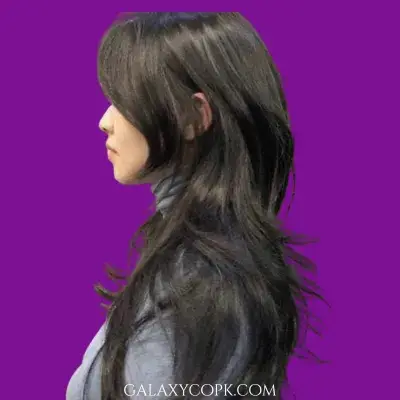
After cutting, proper styling and maintenance are key to keeping the wolf cut fresh:
Daily Styling Tips
- Blow-dry with a round brush for volume.
- Use a flat iron for sleek, straight looks.
- Add loose waves for a more textured effect.
Products for Texture and Volume
- Hair mousse or texturizing spray for lightweight lift.
- Sea salt sprays for a tousled, messy look.
Maintenance Cuts
- Trim every 6–8 weeks to preserve shape.
- Thinning scissors can be used lightly to maintain texture without cutting length.
Wolf Haircut Inspiration – Celebrities and Trends
Many U.S. celebrities have popularized the wolf cut on straight hair:
- Miley Cyrus – edgy, layered wolf cut.
- Taylor Swift – wolf cut with face-framing layers.
- Billie Eilish – long straight hair wolf cut with dramatic texture
FAQs About How to Cut Long Wolf Straight Hair
Q: Can you cut a wolf haircut at home?
A: Yes, but beginners should start with small trims and follow a guide to avoid uneven layers.
Q: How long should my hair be for a wolf cut?
A: Ideally shoulder-length or longer to achieve the layered, textured effect.
Q: Will a wolf cut damage straight hair?
A: No, as long as sharp scissors and proper layering techniques are used.
Q: Can you style a wolf haircut differently every day?
A: Absolutely! You can curl, straighten or tousle your hair for versatile looks.
Conclusion
Cutting long wolf straight hair is both an art and a science. By preparing your hair, using the right tools and following careful layering and texturing techniques, you can achieve a stylish, edgy look that suits any face shape. With proper maintenance, the wolf cut continues to evolve as a trendy and versatile hairstyle. Whether you try it at home or with a professional stylist, this guide ensures you understand every step—from trimming to styling—so your hair looks Instagram-ready every day.