
Key Takeaways
- Outer Banks lifting projects often involve sand, wind, narrow access, elevated homes, overhead obstacles, and densely developed lots.
- A successful lift depends on more than crane capacity. Load weight, lifting radius, boom length, ground support, rigging, weather, and clear communication all matter.
- Albemarle Crane Service provides local support for construction materials, HVAC equipment, trees, sheds, pools, boats, containers, and other difficult lifts.
- Early planning gives property owners and contractors more time to review access, coordinate schedules, and prepare the work area.
On the barrier islands, a heavy lift can quickly become complicated. A rooftop HVAC replacement in Kill Devil Hills, a boat placement near Manteo, a shed installation in Duck, or tree removal beside a home in Nags Head may require equipment capable of safely reaching over decks, fences, dunes, landscaping, and neighboring structures. When standard machinery cannot access the work area, a dependable crane rental service in Outer Banks, NC, can be a practical part of the project plan. Albemarle Crane Service helps homeowners, contractors, HVAC crews, builders, property managers, and marine-related businesses meet heavy-lifting needs across the Outer Banks. The right crane is important, but it is only one piece of a well-organized lift. Local site awareness, accurate load information, safe setup, equipment selection, communication, and weather monitoring all contribute to a more controlled project.
Location: Albemarle Crane Service | 934 W Kitty Hawk Rd, Kitty Hawk, NC 27949 | (252) 999-9110
Why Outer Banks, NC Lifts Need Local Planning
The Outer Banks is not a typical inland job environment. Homes may sit on elevated foundations, lots can be narrow, and parked vehicles, utilities, fencing, mature trees, drainage areas, or soft shoulders may border access roads. On oceanfront and soundside properties, crews may also need to protect dune lines, landscaped areas, docks, bulkheads, or other improvements while positioning equipment. Coastal weather adds another planning variable. Wind conditions can change, and a lift that appears simple on paper may require a different schedule or setup after the crew assesses the site. The islands themselves are continually shaped by water, wind, and storms, a reality reflected throughout the local coastal environment, as described in the National Park Service’s Cape Hatteras National Seashore information. That does not mean every coastal lift is unsafe. It means each project should be evaluated based on its actual conditions, equipment limits, load characteristics, and the judgment of qualified personnel. Seasonal traffic is another consideration. In Corolla, Southern Shores, Kitty Hawk, Kill Devil Hills, Nags Head, Rodanthe, Avon, Buxton, and Hatteras, busy travel periods can affect staging, delivery timing, neighborhood access, and coordination with other trades. A crane provider familiar with the region can help customers think through those practical details before equipment arrives.
How Albemarle Crane Service Matches Equipment to the Job
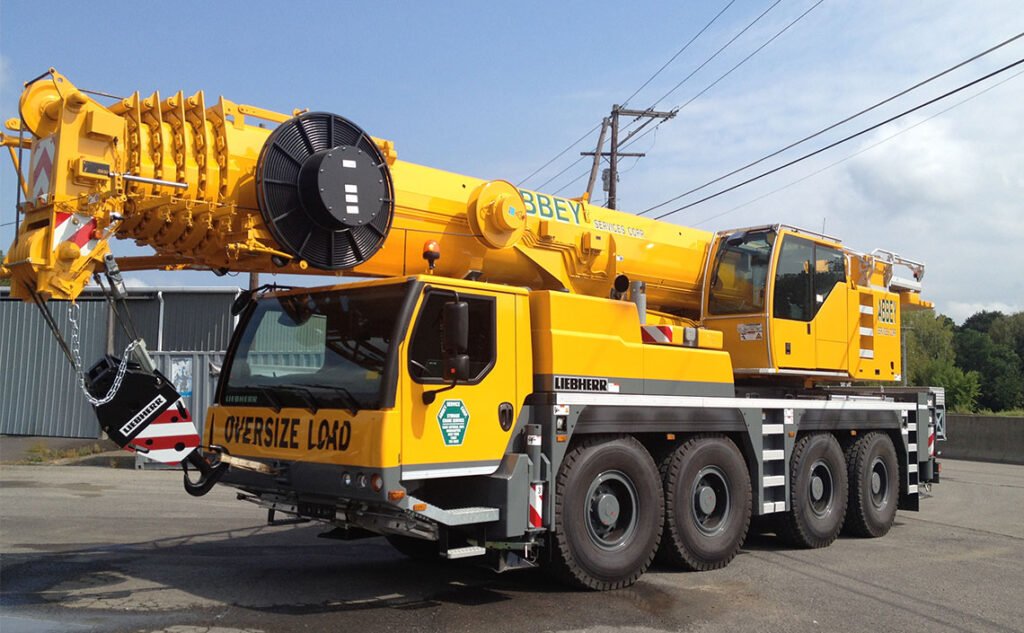
Crane selection starts with the real demands of the lift, not simply the largest number on a specification sheet. The company lists multiple crane options for projects of varying sizes and reach requirements. Its listed fleet includes a 26-ton Altec boom truck crane with a 102-foot main boom, a 55-ton NBT National Crane with a 126-foot main boom, and a 100-ton 86100 Link-Belt mobile crane with a 140-foot main boom.
Those options can serve different project contexts:
- 26-ton boom truck crane: Often suitable for residential access, smaller construction materials, HVAC work, sheds, trees, and placement jobs where efficient movement through a developed neighborhood matters.
- 55-ton crane: A potential fit for larger HVAC units, commercial materials, structural components, and projects requiring additional reach or capacity.
- 100-ton mobile crane: Designed for demanding heavy lifts, substantial structures, industrial needs, and projects where load size or reach calls for a larger machine.
Capacity alone never determines whether a crane can complete a lift. The load’s actual weight and dimensions, pick radius, boom angle, rigging weight, height, ground conditions, clearance, crane position, and final placement point all affect the plan. A relatively light object can still require a larger crane if it must be placed far from the crane’s setup location or lifted over a tall structure.

Crane Services for Common Outer Banks Projects
Construction and Building Materials
New construction, additions, renovations, and storm repairs can involve awkward or heavy materials that are difficult to move manually. A crane can assist with lifting steel, framing packages, trusses, roof materials, wall sections, mechanical components, and other construction loads. For a contractor working on an elevated beach house, crane support may help move materials to the needed elevation without repeated handling through tight ground-level access areas.
HVAC Installation and Replacement
HVAC lifts are especially common where units sit on roofs, upper decks, or elevated platforms. Replacing an old system may require lifting equipment over a home while avoiding gutters, railings, landscaping, fencing, and nearby structures. For example, a Kitty Hawk contractor replacing a rooftop unit may need enough reach to work over the building while keeping the crane positioned on a suitable portion of the driveway or street-side staging area.
Trees, Sheds, Pools, Boats, and Containers
Crane-assisted tree removal can be useful when a damaged, fallen, or hazardous tree is close to a residence, power lines, a pool enclosure, or a neighboring property. Controlled lifting can also support the placement or relocation of sheds, storage containers, pool components, pumphouses, boats, and other large items. In waterfront communities and compact vacation-rental neighborhoods, a crane may provide a way to reach an otherwise inaccessible placement area, subject to site conditions and the lift plan.
Safety on a Coastal Crane Job Site
Safe lifting begins before the crane reaches the property. A professional review should consider the object’s weight and dimensions, the center of gravity, the intended lift path, crane radius, boom height, rigging needs, ground support, utility lines, nearby buildings, exclusion zones, traffic, workers, residents, and changing weather conditions. Photos and measurements are valuable during the planning stage, but an on-site assessment may still be necessary.
Ground conditions deserve careful attention on the Outer Banks. Sand, uneven terrain, soft shoulders, recently disturbed soil, and sloped driveways can all affect where a crane can set up. Proper outrigger placement and support are site-specific decisions. Customers should avoid assuming that a wide driveway, open lot, or roadside area is automatically suitable for crane setup. The North Carolina Department of Labor notes that the machine or load can strike people within a crane’s swing radius, and it emphasizes staying clear of suspended loads and active crane work areas. Its cranes and derricks safety guidance is a useful resource for understanding the hazards that organized site controls are intended to address. Albemarle Crane Service identifies its team as NCCCO certified and its business as bonded and insured. Those company-reported qualifications are meaningful factors to discuss, while recognizing that every lift still requires careful planning and safe work practices.
When to Request Crane Service
The best time to contact a crane company is early in the project, especially when the work involves a scheduled delivery, structural installation, rooftop equipment, boat movement, pool installation, container relocation, or complex tree removal. Early contact allows time to discuss equipment needs, access routes, staging space, site photos, potential permits, weather considerations, and coordination with electricians, roofers, HVAC technicians, builders, or property managers. Albemarle Crane Service promotes same-day service, emergency availability for certain equipment, weekend appointments by request, and an on-time service commitment. Availability still depends on the specific lift, scheduling, travel distance, weather, staffing, equipment requirements, and site conditions. For storm-related work, customers should share as much information as possible about fallen trees, blocked access, damaged structures, utilities, and immediate hazards.
What to Include in a Crane Rental Request
A complete request gives the crane provider a stronger starting point. Whether the job is in Corolla, Duck, Kitty Hawk, Nags Head, Manteo, Wanchese, Rodanthe, Salvo, Waves, Avon, Buxton, or Hatteras, customers should be prepared to provide the following:
- The project address and the community where the work will occur.
- A clear description of what needs to be lifted, moved, removed, or placed.
- The estimated weight, dimensions, and, if known, center of gravity of the load.
- Photos showing the road approach, driveway, work area, obstacles, and final placement location.
- The requested date, preferred time window, and whether other contractors will be on site.
- Information about overhead lines, decks, trees, fences, nearby homes, dunes, pools, docks, and restricted-access areas.
- Details about whether the work is residential, commercial, industrial, marine, construction-related, or emergency-related.
Detailed information does not replace a formal site review, but it can reduce back-and-forth communication and help identify important questions before the job is scheduled.
How Local Crane Coordination Can Reduce Disruption
In a busy coastal community, organized planning can help avoid unnecessary congestion and repeated handling of heavy materials. A coordinated lift helps define where the crane will arrive, where workers should stand, how the load will travel, which areas should be kept clear, and when other trades need to be ready. For rental homes and occupied properties, this can be particularly useful because guests, tenants, delivery vehicles, neighbors, and maintenance teams may all be moving through the area. Local knowledge can also help with realistic expectations. Long distances between Outer Banks communities, bridge crossings, limited road space, peak-season traffic, and unique lot layouts can influence timing. Rather than treating a crane as a simple delivery item, property owners and contractors should view it as a scheduled lifting operation that benefits from site preparation and direct communication.
Contact Albemarle Crane Service for an Outer Banks Lift
For projects that require careful reach, heavy-load handling, or lifting around coastal property constraints, contact Albemarle Crane Service with the address, load details, photos, access information, and preferred service date. From HVAC replacements and structural materials to boat placement, tree work, sheds, pools, pumphouses, and storage containers, the most effective approach starts with an accurate conversation about the site. For Outer Banks property owners and contractors, early planning can help determine the appropriate crane, setup method, and path toward a safer, more organized lift.
Conclusion
Heavy-lifting projects in the Outer Banks require more than the right equipment; they also demand careful planning, experienced operators, and an understanding of the unique challenges posed by coastal properties. From HVAC installations and construction materials to boats, sheds, trees, and other oversized loads, a well-planned lift helps improve safety, efficiency, and project coordination. By working with an experienced local provider like Albemarle Crane Service and planning, property owners and contractors can reduce delays, protect surrounding structures, and complete lifting projects with greater confidence.