
Introduction
A chief technical examiner is an important professional who plays a significant role in maintaining technical standards, ensuring quality, and evaluating the performance of engineering systems, equipment, projects, and technical operations. This position generally involves a combination of technical expertise, leadership abilities, analytical thinking, and professional judgment. Depending on the organization and industry, a chief technical examiner may oversee inspections, review technical documents, investigate irregularities, and ensure that projects comply with established regulations and standards.
In today’s technology-driven world, organizations depend on experienced technical professionals to identify problems, prevent operational failures, and maintain accountability. The chief technical examiner helps achieve these objectives by providing independent technical assessments and guiding teams toward reliable solutions.
Although the exact responsibilities differ between government departments, engineering organizations, industrial companies, and regulatory institutions, the central purpose of this position remains similar: examining technical matters carefully and ensuring that decisions are supported by accurate evidence.
What Is a Chief Technical Examiner?
A chief technical examiner is a senior technical professional responsible for supervising examination, inspection, verification, and evaluation activities within an organization. The position usually requires extensive experience in a technical discipline, such as civil engineering, mechanical engineering, electrical engineering, information technology, or another specialized field.
The word “chief” indicates a leadership position, while “technical examiner” describes someone who evaluates technical processes, systems, projects, or documents. Together, the title represents a professional who combines technical knowledge with supervisory responsibilities.
In some government organizations, the position may involve examining public infrastructure projects, reviewing procurement procedures, investigating construction irregularities, and identifying technical weaknesses. In private companies, the role may focus more heavily on quality assurance, equipment inspections, compliance, and operational performance.
A chief technical examiner is not simply responsible for identifying mistakes. The professional must also understand why problems occur, determine their potential consequences, and recommend practical corrective measures.
Key Responsibilities of a Chief Technical Examiner
The responsibilities associated with this position can be extensive. They depend on the organization’s structure, the industry involved, and the authority assigned to the position.
1. Conducting Technical Inspections
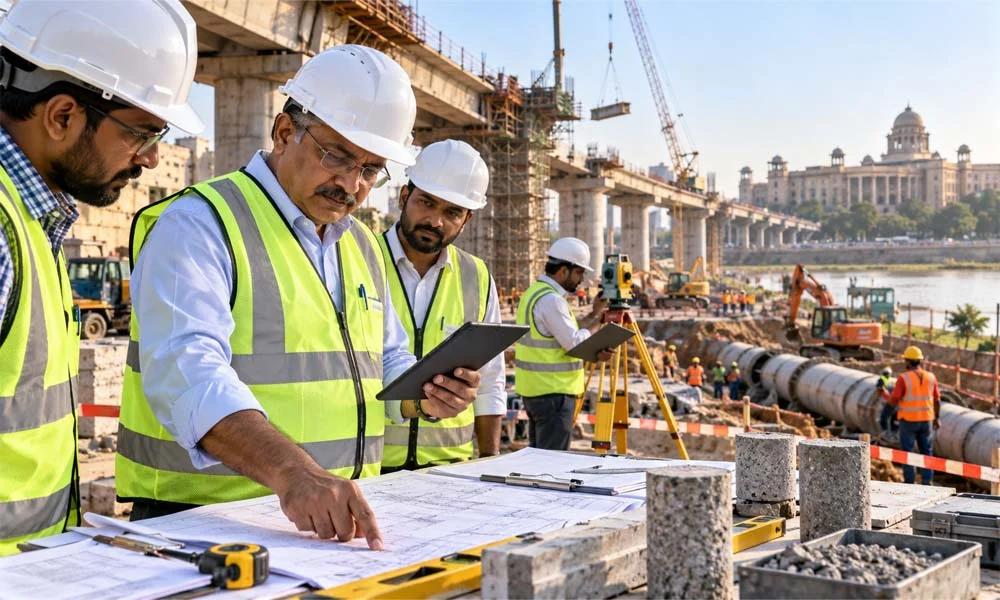
One of the most important responsibilities is conducting or supervising technical inspections. These inspections help determine whether equipment, construction projects, engineering systems, and operational procedures meet the required specifications.
For example, in a construction organization, the examiner may review building materials, structural designs, project measurements, and completed engineering work. In an industrial environment, inspections may involve machinery, electrical installations, production equipment, and workplace safety systems.
The purpose is to identify defects before they create serious problems.
2. Reviewing Technical Documents
Technical documentation provides essential information about how projects are designed, approved, implemented, and completed. A chief technical examiner may review engineering drawings, cost estimates, project reports, contracts, specifications, and inspection records.
Careful document examination helps identify inconsistencies, inaccurate calculations, missing information, and deviations from approved plans.
This responsibility is particularly important in large projects where even a small documentation error can lead to financial losses or operational difficulties.
3. Ensuring Quality Standards
Quality assurance is another major area of responsibility. Organizations must maintain consistent standards to deliver safe, dependable, and efficient services.
A chief technical examiner evaluates whether technical activities follow established quality requirements. This may include checking materials, reviewing testing procedures, monitoring project progress, and examining the final results.
When quality problems are discovered, the examiner may recommend improvements and require responsible departments to address identified weaknesses.
4. Identifying Technical Irregularities
Technical irregularities can occur because of poor planning, incorrect measurements, inadequate supervision, negligence, or deliberate misconduct.
The chief technical examiner may investigate suspicious activities and examine available evidence to determine whether technical procedures were followed correctly.
In certain public-sector oversight environments, this responsibility may include reviewing project costs, investigating questionable procurement decisions, and identifying possible financial or procedural irregularities.
The examiner must remain objective and base conclusions on verifiable information rather than assumptions.
5. Preparing Technical Reports
A professional examination is valuable only when its findings are communicated clearly. Therefore, preparing detailed technical reports is an essential responsibility.
These reports may explain inspection results, describe identified problems, provide supporting evidence, and recommend corrective actions.
A good report should be accurate, understandable, organized, and supported by relevant technical information. It should also distinguish between confirmed findings and matters that require additional investigation.
Qualifications Required for a Chief Technical Examiner
Becoming a chief technical examiner generally requires a strong educational background and substantial professional experience.
Although exact requirements vary by employer, several qualifications are commonly relevant.
Educational background: A bachelor’s degree in engineering, computer science, information technology, architecture, or another relevant technical discipline may be required. Some senior positions prefer candidates with postgraduate qualifications.
Professional experience: Employers generally look for individuals who have developed practical knowledge through years of technical work. Experience in inspection, project management, quality control, auditing, engineering supervision, or regulatory compliance can be particularly valuable.
Technical certifications: Depending on the industry, professional certifications in quality management, project management, engineering, safety, or information security may strengthen an applicant’s qualifications.
Leadership experience: Since this is generally a senior position, candidates should demonstrate the ability to supervise teams, manage responsibilities, communicate decisions, and handle complex technical challenges.
Education provides the foundation, but practical experience and professional judgment are equally important.
Essential Skills for Success
A successful chief technical examiner needs more than technical knowledge. The position requires a combination of professional, analytical, and interpersonal abilities.
Analytical Thinking
Analytical thinking helps examiners understand complicated technical information, compare evidence, identify inconsistencies, and reach reasonable conclusions.
They must be capable of examining problems from different perspectives instead of accepting the first explanation presented.
Attention to Detail
Technical inspections often involve small details that can have significant consequences. Incorrect measurements, incomplete records, or minor equipment defects may develop into larger problems if ignored.
Strong attention to detail helps examiners recognize these issues early.
Communication Skills
The chief technical examiner regularly communicates with engineers, managers, inspectors, contractors, administrators, and other professionals.
Clear communication is necessary when explaining technical findings, discussing problems, and recommending improvements.
Leadership and Management
Senior examiners may supervise inspection teams and coordinate activities across different departments. They must distribute responsibilities, monitor progress, resolve disagreements, and ensure that examination procedures are completed properly.
Integrity and Professional Independence
Integrity is especially important because technical examination can influence financial decisions, project approvals, organizational accountability, and public safety.
An examiner must avoid conflicts of interest and remain fair when evaluating the work of other professionals.
The Importance of a Chief Technical Examiner in Government Organizations
Government organizations frequently manage large infrastructure projects, public facilities, transportation systems, and development programs. These activities require significant financial investment and careful technical supervision.
A chief technical examiner can contribute to stronger public accountability by evaluating whether projects meet approved requirements.
For example, consider a government-funded road construction project. The examiner may review the original project specifications, inspect the quality of construction materials, examine completed work, and compare actual progress with approved documentation.
If the investigation reveals serious differences between the approved specifications and the completed project, the examiner can document those findings and recommend further action through the appropriate authorities.
Such examination activities can help reduce waste, improve project quality, and encourage responsible use of public resources.
However, the authority to investigate, recommend disciplinary action, or approve corrective measures depends on the organization’s legal framework and internal regulations.
Role in the Private Sector
The private sector also benefits from experienced technical examiners. Manufacturing companies, construction firms, energy providers, technology businesses, and engineering consultancies often require professionals who can evaluate technical performance.
In manufacturing, a chief technical examiner may oversee product testing, production standards, equipment inspections, and quality management procedures.
In construction, responsibilities may include reviewing structural specifications, evaluating contractors’ work, and identifying potential safety concerns.
In information technology, the role may involve examining system reliability, technical documentation, software quality, infrastructure performance, and cybersecurity controls.
Regardless of the industry, the objective is to ensure that technical operations meet professional expectations and organizational requirements.
Difference Between a Technical Examiner and a Chief Technical Examiner
Although these positions are closely related, they generally differ in their level of responsibility.
A technical examiner usually focuses on carrying out inspections, reviewing technical records, collecting information, and preparing findings under an established reporting structure.
A chief technical examiner typically holds a more senior position. The professional may supervise other examiners, establish examination priorities, review reports, coordinate investigations, and provide strategic recommendations.
The distinction is similar to the difference between a technical specialist and a department-level leader.
However, organizational structures differ, so the actual responsibilities should always be understood through the relevant job description.
Challenges Faced by a Chief Technical Examiner
Despite its importance, this position comes with several professional challenges.
Complex Technical Projects
Large engineering and industrial projects can involve thousands of documents, multiple contractors, different technical standards, and complicated approval procedures. Reviewing everything accurately requires considerable time and expertise.
Pressure and Accountability
Technical examination findings may affect important organizational decisions. As a result, examiners can face pressure from different stakeholders.
Maintaining independence and professional judgment is essential in these circumstances.
Rapid Technological Changes
Technology continues to develop across engineering, manufacturing, construction, and information systems. Professionals must regularly update their knowledge to understand modern equipment, digital tools, and emerging technical standards.
Limited Resources
Some organizations have limited budgets, inspection equipment, or qualified personnel. These limitations can make it difficult to examine every project in detail.
Effective planning and risk-based inspection methods can help address this challenge.
Career Opportunities and Professional Growth
The career path toward becoming a chief technical examiner can begin in several technical professions.
An individual may start as an engineer, technical inspector, quality control specialist, project supervisor, or technical auditor. With experience, additional training, and demonstrated leadership ability, the professional may progress into senior examination or management positions.
Related career opportunities include:
- Senior Technical Examiner
- Chief Inspection Officer
- Quality Assurance Manager
- Technical Audit Manager
- Engineering Project Manager
- Compliance and Standards Manager
- Technical Operations Director
- Regulatory Inspection Specialist
The availability of these positions depends on industry requirements and organizational structures.
Professionals who want to advance should focus on developing specialized technical knowledge, gaining practical inspection experience, improving communication abilities, and understanding applicable regulations.
How Technology Is Changing Technical Examination
Modern technology is transforming how organizations inspect projects and evaluate technical performance.
Digital inspection systems allow professionals to collect, organize, and analyze information more efficiently. Cloud-based documentation platforms make it easier to access project records, while specialized software can help identify inconsistencies in technical data.
Artificial intelligence is also becoming useful in certain inspection environments. AI-supported systems can help analyze large datasets, identify unusual patterns, and prioritize areas that may require additional examination.
In construction, drones and digital imaging tools can assist with inspecting difficult-to-access locations. In manufacturing, automated monitoring systems can identify equipment performance problems before major failures occur.
Nevertheless, technology does not eliminate the need for experienced professionals. A chief technical examiner must still interpret results, verify evidence, understand limitations, and make informed decisions.
Why Professional Ethics Matter
Ethical conduct is a fundamental requirement for anyone working in a senior examination position.
A chief technical examiner may encounter confidential documents, sensitive project information, financial records, and evidence of potential misconduct.
Such information must be handled responsibly. Examiners should protect confidential records, avoid favoritism, disclose relevant conflicts of interest, and ensure that their reports accurately reflect the available evidence.
Professional ethics also require fairness. An examiner should not make unsupported accusations or allow personal relationships to influence technical conclusions.
Trust is essential because organizations rely on examination findings when making important decisions.
Future Outlook for the Profession
The demand for technical examination and quality assurance is likely to remain important as industries become more complex and organizations face increasing expectations regarding safety, efficiency, and accountability.
Infrastructure development, industrial modernization, digital transformation, and regulatory compliance all create opportunities for experienced technical professionals.
Future examiners may need broader knowledge of data analysis, automation, environmental standards, digital security, and advanced engineering systems.
Professionals who combine traditional technical expertise with modern digital skills will be better prepared to manage emerging challenges.
Organizations will also continue to benefit from examination systems that encourage transparency, identify weaknesses, and support continuous improvement.
Conclusion
A chief technical examiner is an important senior professional who helps organizations maintain technical quality, improve operational standards, and identify potential problems. The position combines technical knowledge, inspection expertise, analytical thinking, leadership, and ethical responsibility.
Whether working in government, construction, manufacturing, engineering, or technology, the chief technical examiner contributes to better decision-making and more reliable operations.
The responsibilities may vary between organizations, but the importance of accurate examination remains consistent. By reviewing technical documents, supervising inspections, investigating irregularities, and recommending improvements, these professionals help prevent costly mistakes and strengthen organizational accountability.
For individuals interested in a career involving engineering, technical evaluation, leadership, and professional responsibility, this position can represent a meaningful long-term career opportunity. With the right qualifications, practical experience, and commitment to integrity, an experienced technical professional can develop the expertise needed to succeed in this demanding field.