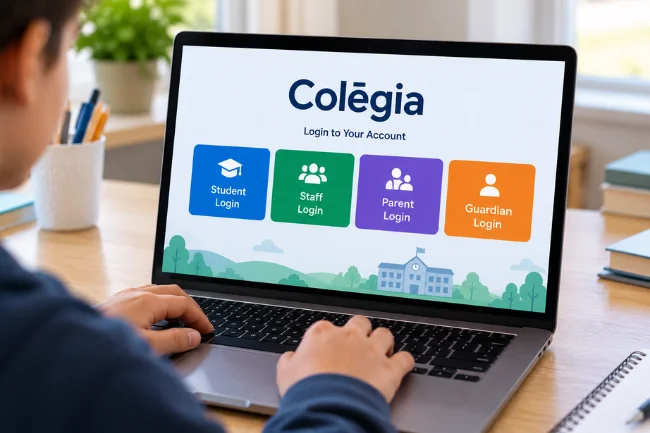

In today’s rapidly changing world, education, collaboration, and digital communication are becoming increasingly important. New terms and platforms appear regularly, attracting attention from students, educators, professionals, and people searching for better ways to connect and share information. One such keyword is colegia. Although the term may not have one universally established meaning, it can be explored through its linguistic background, educational associations, and potential relevance to modern communities.
Understanding colegia requires looking beyond the word itself. It opens the door to discussions about learning environments, academic communities, teamwork, and the importance of shared knowledge. Whether someone encounters colegia through an online search, an educational discussion, or a digital platform, understanding the possible contexts behind the term can make the experience more meaningful.
This article explores colegia, its possible meanings, educational connections, benefits, challenges, and relevance in a world where information and collaboration continue to shape everyday life.
What Is Colegia?
Colegia is a term that may appear in different contexts, depending on how and where it is used. It has linguistic similarities to words associated with colleges, educational institutions, and organized communities. However, it is important not to assume that every appearance of colegia refers to a specific school, company, or online service.
In general discussions, colegia can be associated with ideas of education, shared learning, and organized groups. These associations make it an interesting keyword for people exploring academic terminology and modern educational environments.
The meaning of an unfamiliar term often depends on its surrounding context. For example, a person encountering colegia on a website may be looking for information about an educational service, while someone seeing it in written material may be interested in its linguistic background.
Understanding this distinction is important because search terms do not always represent officially recognized organizations or products. Researching the source of the term helps readers identify the information they actually need.
The Possible Linguistic Background of Colegia
Language develops through cultural exchange, historical changes, and the introduction of new expressions. Many educational terms have roots in older languages, particularly Latin, which has influenced vocabulary used in schools, universities, and academic institutions.
The word colegia resembles terms connected with colleges and collegial organizations. The Latin word collegium historically referred to an association or organized body of people who shared a particular purpose or responsibility.
Over time, related words developed in different languages. These expressions often became connected with educational institutions, professional associations, and groups working toward common objectives.
This linguistic connection provides a useful way to understand why colegia may attract attention in educational discussions. Nevertheless, the resemblance alone does not establish a precise definition. Its intended meaning should always be considered within the original sentence or source.
Colegia and Modern Education
Education has changed significantly over the past several decades. Traditional classrooms remain important, but digital resources, online learning environments, and collaborative educational tools have created additional opportunities.
The broader educational ideas associated with colegia fit into this changing environment. Modern education increasingly recognizes that learning is not limited to listening to lectures or reading textbooks. Students also benefit from discussion, cooperation, independent research, and practical activities.
Educational communities provide opportunities for individuals to exchange ideas and develop their understanding of different subjects. They can also help students build confidence by encouraging participation and communication.
Technology has made these interactions easier. Students can now participate in virtual classrooms, access educational materials, and communicate with classmates without always being physically present in the same location.
These developments demonstrate why educational terminology and related search topics continue to attract attention.
Why Is Colegia Becoming an Interesting Search Term?
People search for unfamiliar words for many reasons. Sometimes they encounter a term while browsing a website. In other situations, they see it in an academic document, social media post, or online discussion.
Colegia may attract interest because of its connection to familiar educational vocabulary and the possibility that it represents a particular name or concept.
There are several reasons why someone might search for it:
1. Understanding an unfamiliar word: Readers may simply want to discover what colegia means and how it is used.
2. Educational research: Students and educators may be exploring terms associated with academic institutions and learning communities.
3. Online information discovery: Search engines make it easy to investigate unfamiliar expressions and identify their possible meanings.
4. Linguistic curiosity: People interested in language may want to understand the relationship between similar words and their historical development.
5. Identifying a particular reference: Someone may have encountered colegia as a name and want to determine whether it refers to an organization, platform, or other subject.
These different motivations demonstrate why context is essential when researching an unfamiliar keyword.
The Importance of Learning Communities
One of the most valuable ideas connected with the broader concept of colegia is the importance of learning communities.
A learning community brings individuals together around shared educational goals. Members can exchange knowledge, discuss difficult topics, and support one another throughout the learning process.
Such communities may exist inside schools, universities, workplaces, or online environments. Their structure can vary, but their central purpose is usually to encourage learning through cooperation.
Students who participate in supportive learning environments may develop stronger communication skills. They can learn how to explain their ideas, consider different perspectives, and work through disagreements respectfully.
Learning communities also create opportunities for peer support. A student who understands a particular topic can help another student who finds it challenging. In return, explaining a subject can strengthen the first student’s own understanding.
This process makes collaborative learning valuable for people at different educational levels.
Benefits of Collaborative Education
Collaborative education focuses on the idea that people can learn effectively by working together. Instead of depending entirely on individual study, students participate in shared activities that encourage discussion and problem-solving.
Several important benefits make this approach useful.
Improved Communication Skills
Communication is essential in almost every professional and personal environment. Group discussions give students opportunities to express their opinions clearly and listen carefully to others.
These experiences can help individuals become more confident when presenting information or participating in conversations.
Better Problem-Solving Abilities
Working with others exposes students to different ways of approaching challenges. One person may identify a solution that another person has overlooked.
By discussing possible answers, students can evaluate ideas and develop more thoughtful conclusions.
Greater Motivation
Learning independently can sometimes become difficult, particularly when students experience complicated subjects or demanding assignments.
A supportive group can provide encouragement and accountability. Knowing that other people share similar goals may help individuals remain motivated.
Exposure to Different Perspectives
People have different backgrounds, experiences, and ways of thinking. Collaborative learning allows students to understand viewpoints beyond their own.
This can improve critical thinking and help learners become more open-minded.
Development of Leadership Skills
Group projects often require someone to organize responsibilities, manage time, and coordinate activities.
Participating in these situations can help students develop leadership abilities that remain useful throughout their careers.
The Role of Technology in Modern Learning
Technology has become an important part of education. Digital tools allow students to access information, communicate with instructors, and complete assignments using different devices.
Online educational environments have also made learning more flexible. Students can review recorded lessons, download study materials, and participate in discussions from different locations.
This flexibility is particularly useful for people balancing education with employment or family responsibilities.
Digital communication tools can support group projects by allowing participants to share documents, organize tasks, and discuss ideas. These activities make collaboration possible even when students cannot meet in person.
However, technology should support educational goals rather than replace meaningful teaching and personal interaction.
Students still need guidance, reliable information, constructive feedback, and opportunities to ask questions.
Colegia and the Value of Academic Organization
Academic organization plays an important role in successful education. Students often manage multiple responsibilities, including assignments, examinations, projects, and personal commitments.
Organized educational environments can make these responsibilities easier to manage.
Clear schedules help students understand what they need to complete and when their work is expected. Structured learning materials also make it easier to review important information.
In a broader sense, the concept of collegial organization highlights the value of people working together within a shared structure.
Schools and educational institutions benefit when students, teachers, administrators, and families communicate effectively.
Good organization does not mean removing flexibility. Instead, it creates a foundation that allows individuals to understand their responsibilities while working toward common objectives.
Challenges Associated With Modern Educational Communities
Although collaborative learning offers many advantages, it also creates certain challenges.
One common difficulty is unequal participation. In some group projects, a small number of students complete most of the work while others contribute very little.
Clear responsibilities can help prevent this problem. Teachers and group leaders should make sure that every participant understands their role.
Another challenge involves communication differences. Students may have different opinions, working habits, and expectations. Without respectful discussion, these differences can create unnecessary disagreements.
Digital learning also presents challenges related to internet access and technical knowledge. Not every student has access to reliable devices or a stable connection.
Privacy and information security are additional concerns. Educational platforms may handle personal information, academic records, and communication data. Responsible data management is therefore essential.
Addressing these challenges requires thoughtful planning, suitable technology, and supportive educational leadership.
How Students Can Become Better Learners
Students can improve their educational experiences by developing habits that support independent and collaborative learning.
First, setting realistic goals provides direction. Instead of trying to complete everything at once, students can divide large assignments into smaller tasks.
Second, active participation makes learning more effective. Asking questions, contributing to discussions, and reviewing difficult topics can improve understanding.
Third, students should learn how to manage their time. Creating a study schedule helps balance academic responsibilities with rest and personal activities.
Another useful habit is sharing knowledge. Explaining a difficult subject to another person can reveal gaps in understanding and strengthen existing knowledge.
Finally, students should remain open to feedback. Constructive criticism can help identify weaknesses and provide opportunities for improvement.
These habits are useful regardless of whether someone studies in a traditional classroom or through a digital educational environment.
The Future of Education and Shared Knowledge
The future of education will likely involve an even stronger combination of traditional teaching and digital learning.
Artificial intelligence, interactive educational software, and online collaboration tools are changing how people access and process information.
Students may increasingly use personalized learning resources that adapt to their abilities and educational goals. Teachers may also benefit from technology that helps organize assignments, evaluate progress, and identify areas where additional support is needed.
However, technological development does not remove the importance of human relationships.
Teachers provide guidance, encouragement, and experience that automated systems cannot fully replace. Classmates offer different perspectives and create opportunities for meaningful discussion.
The broader educational principles associated with colegia, particularly cooperation and shared responsibility, remain relevant in this changing environment.
Successful education will depend on combining useful technology with strong teaching practices and supportive communities.
How to Research Colegia Effectively
Anyone interested in learning more about colegia should begin by identifying where the term appeared.
If it was mentioned on a website, examining the surrounding content may provide useful clues. If it appeared in an academic document, checking the subject and language of the document can help clarify its meaning.
It is also useful to compare multiple reliable sources rather than depending on a single search result.
Readers should pay attention to the spelling of the term because similar-looking words may have different meanings. A small spelling difference can lead to entirely different search results.
When colegia appears as the name of a specific service or organization, its official description and available documentation are more useful than assumptions based on linguistic similarities.
A careful research process helps prevent misunderstandings and allows readers to distinguish established facts from possible interpretations.
Frequently Asked Questions About Colegia
What does colegia mean?
Colegia is a term whose precise meaning depends on its context. It has similarities to vocabulary associated with colleges, associations, and organized communities, but a specific definition requires additional information about where it is used.
Is colegia related to education?
It may be associated with educational terminology because of its resemblance to words connected with colleges and academic organizations. However, this relationship should not be treated as proof that it identifies a particular educational institution.
Why are people searching for colegia?
People may search for colegia because they encountered the term online, want to understand its meaning, or are researching a particular organization or educational reference.
Is colegia a website or platform?
The word alone does not establish that it represents a website or digital platform. Anyone investigating a possible service should check the original source and verify its identity through reliable information.
How can someone understand the correct meaning of colegia?
The best approach is to examine the context in which the term appears, compare reliable references, and confirm whether it is being used as a general expression or a proper name.
Conclusion
Colegia is an interesting keyword because it invites exploration of language, education, and the importance of organized communities. Although its exact meaning cannot be established without additional context, its similarities to educational terminology make it relevant to discussions about colleges, collaboration, and shared learning.
Modern education depends on more than textbooks and traditional classroom instruction. Students benefit from supportive communities, effective communication, practical experiences, and access to reliable information.
Technology continues to create new opportunities for learning, but cooperation and human interaction remain essential. By understanding unfamiliar terminology carefully and exploring its original context, readers can develop a clearer picture of the subjects they encounter online.
Ultimately, colegia serves as a useful starting point for exploring the broader relationship between education, knowledge, and community in an increasingly connected world.