Video content has become one of the most powerful ways to communicate online. Businesses, creators, educators, and marketers use videos to share information. Social media platforms also encourage users to publish more visual content. However, producing quality videos traditionally requires time, creativity, and technical knowledge. Artificial intelligence is changing this process by making video production more accessible.
An AI Video Maker helps users transform simple ideas into engaging video content. Instead of spending hours editing footage, creators can use intelligent tools to simplify production. These platforms can generate scenes, organize visuals, add effects, and support different creative styles. As technology improves, creating professional-looking videos is becoming easier for people with different experience levels.
What Is an AI Video Maker?
An AI video creation tool uses artificial intelligence to simplify different stages of video production. Users can provide written instructions, upload images, or select available templates. The platform then helps turn these inputs into visual content.
Some tools can generate videos from text descriptions. Others offer automatic editing, background removal, voiceovers, subtitles, and visual effects. These features reduce the technical effort involved in producing videos.
For beginners, this technology provides an opportunity to explore video creation without learning complicated editing software. Experienced creators can also use it to speed up repetitive tasks and experiment with fresh ideas.
Why AI-Powered Video Creation Is Becoming Popular
The demand for video content continues to grow across digital platforms. Businesses need promotional videos, while influencers require regular content for their audiences. Educational organizations also use videos to explain difficult topics.
Traditional production can involve cameras, lighting equipment, editing software, and professional skills. These requirements may create challenges for individuals with limited resources.
Modern AI-powered solutions help reduce these barriers. Users can experiment with different concepts and create visual content using straightforward instructions.
Another important advantage is flexibility. Creators can prepare short advertisements, product demonstrations, educational clips, and social media videos. This makes artificial intelligence useful across several industries.
How an AI Video Maker Simplifies the Creative Process
Creating a video involves several stages, including planning, scripting, editing, and final production. Artificial intelligence can support many of these activities.
First, users develop an idea and describe what they want to create. Depending on the platform, they can enter a text prompt or provide reference images.
Next, the system processes the instructions and generates suitable visual elements. Some platforms also help arrange scenes and apply transitions.
Creators can then review the results and make adjustments. They may change the visuals, modify text, select different effects, or improve the overall presentation.
This process gives users more time to focus on storytelling instead of performing every editing task manually.
Important Features to Look for in Video Creation Tools
Not every video platform offers the same capabilities. Understanding important features can help users select a suitable solution.
Text-to-video generation: This feature transforms written descriptions into visual scenes. It helps creators test ideas without recording everything themselves.
Image-to-video animation: Users can turn static images into moving visuals. This option works well for product presentations, creative projects, and storytelling.
AI voiceovers: Some platforms generate spoken narration from written scripts. Different voice options can help match the tone of a project.
Automatic subtitles: Captions make videos easier to understand, especially when viewers watch without sound.
Editing flexibility: Customization options allow users to adjust timing, transitions, layouts, and visual elements.
A useful AI Video Maker should combine convenience with enough creative control to produce content that matches the user’s objectives.
Benefits for Businesses and Digital Marketers
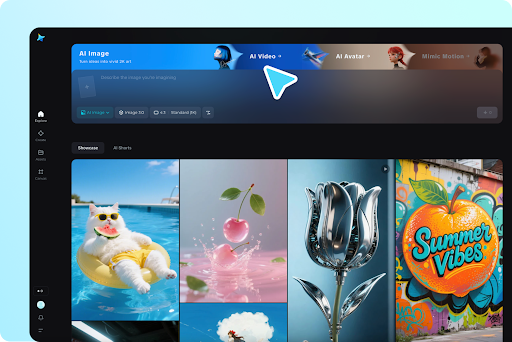
Businesses increasingly depend on video marketing to communicate with customers. Product videos can demonstrate important features, while promotional clips can introduce new services.
Artificial intelligence makes it easier for marketing teams to experiment with different content formats. Instead of producing every version manually, they can use automated features to develop initial concepts.
Small businesses may particularly benefit from these tools. They can explore professional-looking promotional content without investing heavily in production equipment.
Digital marketers can also create videos for advertising campaigns, landing pages, and social media platforms. However, successful marketing still requires a clear message, suitable audience targeting, and engaging storytelling.
Using an AI Video Maker for Social Media Content
Social media audiences consume different types of video content every day. Short tutorials, entertaining clips, product demonstrations, and informative videos are popular formats.
Creators need content that communicates quickly and captures attention. AI-assisted production can help them prepare videos for different platforms.
For example, a fitness creator might turn a workout explanation into a short instructional video. A travel blogger could animate photographs from a recent trip. Similarly, an online store could create product highlights for potential customers.
An AI Video Maker can simplify these projects by helping users generate visual ideas and organize content efficiently.
However, creators should consider each platform’s recommended dimensions, video duration, and audience expectations before publishing.
How Beginners Can Create Better Videos
Starting with video creation does not require advanced technical knowledge. A simple approach can help beginners achieve better results.
Begin with one clear idea rather than trying to communicate several messages simultaneously. Write a short script that explains the main purpose of the video.
Next, create a detailed prompt describing the scene, visual style, environment, and desired mood. Specific instructions generally provide better creative direction than vague descriptions.
Review the generated output carefully. Check whether the visuals match the script and whether the transitions feel natural.
Finally, improve the presentation with suitable background music, readable captions, and consistent formatting.
These small improvements can make an ordinary video more professional and engaging.
Common Mistakes to Avoid During AI Video Production
Although artificial intelligence simplifies video creation, it does not automatically guarantee excellent results.
One common mistake is writing unclear prompts. When instructions lack important details, generated scenes may not match the original idea.
Another problem is accepting the first result without reviewing it. AI-generated content can sometimes contain unusual movements, inconsistent objects, or visual errors.
Creators should also avoid overcrowding videos with unnecessary effects. Excessive transitions and animations can distract viewers from the main message.
Copyright is another important consideration. Users should check the licensing conditions of generated assets, music, and uploaded materials before commercial publication.
Careful review and thoughtful editing remain essential parts of successful video production.
The Future of AI Video Creation
Artificial intelligence is developing rapidly, and video production is likely to become even more flexible. New technologies are improving visual quality, motion consistency, sound generation, and creative customization.
Future platforms may offer better control over characters, environments, camera movements, and storytelling. These improvements could help creators develop more detailed projects with fewer manual steps.
Businesses may also use AI-generated videos for personalized advertising and product communication. Educational creators could develop interactive lessons using customized visual explanations.
Despite these developments, human creativity will remain important. Technology can generate visuals, but meaningful storytelling still depends on understanding people, emotions, and communication.
How to Choose the Right AI Video Maker
Choosing a suitable platform depends on your creative goals and experience level. Beginners may prefer simple interfaces with ready-made templates and guided workflows.
Professional creators might need advanced editing controls, higher-resolution exports, and flexible customization options.
Before selecting a platform, consider its available features, pricing structure, export quality, and usage permissions. Testing a few projects can also help you understand whether the platform matches your workflow.
The best choice is not necessarily the tool with the largest number of features. It is the one that helps you produce useful content efficiently while maintaining creative control.
Final Thoughts
Artificial intelligence is making video production more accessible to individuals and businesses. From social media clips to educational presentations, modern tools provide practical ways to transform ideas into visual stories.
An AI Video Maker can reduce repetitive editing work, support creative experimentation, and simplify content production. However, strong results still require clear instructions, thoughtful storytelling, and careful quality checks.
As technology continues to improve, creators who combine AI-powered features with their own creativity will have more opportunities to produce engaging digital content.