
Styling baby hair can feel like a little puzzle every morning, especially when cowlicks seem to have a mind of their own. If you’re wondering how to style baby girl hair with cowlicks that keep flipping, swirling or sticking straight up, you are not alone.
Many moms notice this during early hair growth and worry they’re doing something wrong. The truth is simple: cowlicks are completely normal, very common and often temporary.
With the right techniques, patience and a few gentle styling tips, you can manage those tricky strands without stress, tears or discomfort.
This post is written for parents in the USA who want realistic, gentle and easy solutions. Over the years, many parents have quickly learned that fighting baby hair never works.
Instead, smart creative styling, soft routines and simple tools make all the difference.
Think of this as a friendly guide, a helpful post sharing what actually works for everyday life, messy mornings and adorable photos you will treasure.
What Is A Cowlick?
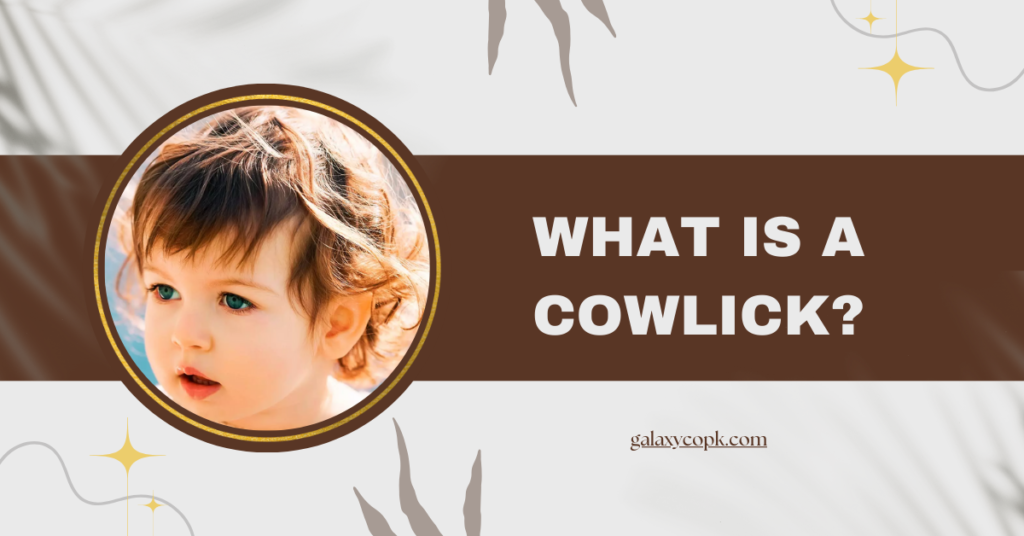
A cowlick is a natural swirl in the hair where strands grow in a different direction than the rest. In baby hair, especially super fine strands, this swirl can look dramatic.
Hair may pop up at the top of head, split oddly at the forehead or fall in a way that never stays flat. Many parents describe it as hair with a mind of its own and that description fits perfectly.
Cowlicks form before birth. Hair follicles set their direction early, which means this is not a brushing issue, not a product mistake and not a sign you did something wrong. In fact, many kids have more than one cowlick.
A wild double cowlick can make tricky styling even more confusing, especially during in-between hair growth phases. One important fact helps parents relax: cowlicks often soften as hair gets heavier with time, although some remain into adulthood.
Here is a simple fact table to help you understand cowlicks better:
| Cowlick Fact | What It Means for Baby Hair |
| Hair grows in a spiral | Brushing alone will not fix it |
| More visible in fine hair | Common in soft baby hair |
| Often appears at crown or bangs | Hair may fall into her eyes |
| Usually genetic | Not caused by care mistakes |
Once parents understand this, styling feels less frustrating and more manageable.
Are Baby Cowlicks Genetic?
Yes, in most cases, cowlicks are inherited. If you, your husband or close family members have a stubborn hair swirl, your daughter or son may have inherited the same pattern.
Many parents notice a sign when comparing baby photos across generations. Hair patterns repeat quietly over time, even if texture changes.
This knowledge helps parents stop trying to fix what is natural. Cowlicks are not a bad habit to correct. They are simply part of how your baby’s hair grows.
Some parents notice cowlicks during newborn months, others during toddler years when growing hair starts falling into the face.
This stage is often just a phase, especially during short haircuts or uneven growth periods.
One mom shared this quote during a parenting forum discussion:
“Once I realized my daughter got her cowlick from me, I stopped fighting it and started working with it.”
That mindset shift makes styling calmer and kinder for both parent and baby.
Dealing With a Baby Cowlick Every Morning
Morning hair can feel chaotic. Sleep presses hair in odd angles, making wild strands stand out even more.
Many parents feel rushed and frustrated, especially when hair falls into her eyes and refuses to stay put. The first rule is simple. Slow down. Gentle routines work better than forceful ones.
The first step every morning is wetting hair slightly. Hair listens better when damp, not soaked. A continuous mist spray bottle helps gentle dampen hair evenly without dripping.
This small prepping habit often actually helped more than any product. Once hair is slightly damp, combing hair with a soft brush or fingers helps guide strands in the direction you want.
Parents often discover this routine becomes one of their favorite bonding moments. Styling turns into quiet bonding time, filled with smiles, silly faces and even trying new hairstyles just for fun. Over time, babies associate hair time with comfort instead of struggle.
How to Manage or Tame A Baby Girl’s Cowlick
To tame a cowlick, think gentle and minimal. Baby scalps are sensitive and harsh methods cause discomfort. Avoid heat tools entirely. Instead, rely on baby hair care basics and light techniques that didn’t hurt and stayed in place longer.
Here is a simple comparison table parents often find helpful:
| Method | Result | Baby Comfort |
| Heavy gel | Looks stiff | Low |
| Tight pulling | Temporary hold | Very low |
| Light water mist | Natural control | High |
| Soft clips | Redirect hair | High |
Using affordable accessories like a simple hair clip or soft headband can gently redirect hair without pulling.
These options keep hair out of the face while allowing natural movement. When used correctly, they cause no discomfort and help hair learn a new direction over time.
Remember, cowlicks respond best when hair is channeled, not forced. Small daily efforts add up, especially during early toddler hair styling years.
How To Style Baby Girl Hair With a Cowlick
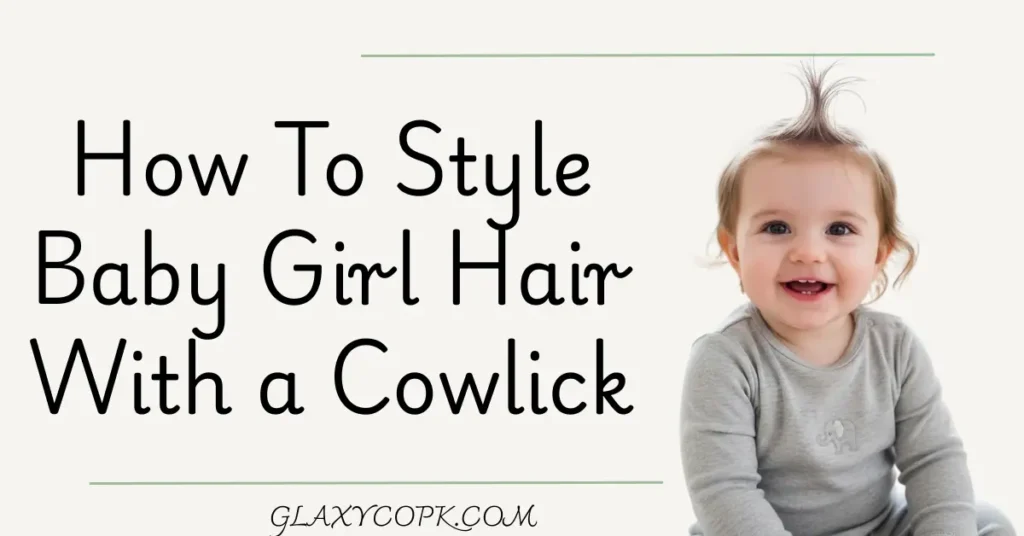
Styling is where creativity shines. Once parents stop fighting cowlicks, they discover fun, cute hairstyles that work beautifully with natural hair patterns. Many of these become go-to baby hairstyles because they are fast, gentle and adorable.
Go-To Hairstyles That Work With Cowlicks
Styles that follow the natural swirl always look best. Side pigtails work well because they break symmetry and allow hair to settle naturally. Half-ponytails lift hair just enough to control bangs while keeping the rest loose.
A tiny palm-tree ponytail at the top of head is perfect for fine hair and growing stages.
Segmented ponies add interest and hold without tension. A soft hair clip placed where hair naturally parts often works better than forcing a center part.
Parents often laugh at how silly hairstyles turn into the cutest memories. These little experiments become little projects that spark love and creativity, sometimes leading to bigger creative outlets like themed outfits or monthly milestone photos.
Styling Tips for Tricky Hair Growth Phases
Cowlicks feel most challenging during uneven growth. This is when hair looks awkward, refuses to lay flat, and enters tricky styling territory.
During these moments, asymmetrical styles work wonders. Side parts, diagonal clips and off-center ponytails hide uneven lengths beautifully.
One useful hair trick is changing direction while hair is damp. Style hair the opposite way it naturally grows, then gently move it back.
Over time, hair becomes more cooperative. This method helps especially with eyebaby girl hair that constantly flips forward.
FAQs About How To Style Baby Girl Hair with Cowlicks
1. How to fix cowlick baby hairs?
Use styling products like gel or pomade and blow-dry in the direction you want the hair to lay. Layered haircuts or small flat irons can help control stubborn cowlicks.
2. How to style hair with a cowlick?
Work with the cowlick by choosing side parts, textured styles or updos like braids and buns. Accessories like headbands or clips can also help manage problem areas.
3. What is the 3-rule for hair?
Wash hair 3 times a week, use a maximum of 3 styling products and trim every 3 months. This keeps hair healthy without causing buildup or damage.
4. How to manage baby hairs on the hairline?
Smooth them down using edge control or pomade with a soft brush and wrap a silk scarf for a few minutes. Leaving them slightly visible can also create a natural, soft frame for your face.
Final Thoughts
Styling baby girl hair with cowlicks is less about control and more about understanding. Every swirl tells a story. Every stubborn strand reminds parents that their child is unique.
With patience, gentle routines and simple styling approaches, cowlicks stop feeling like a problem and start feeling manageable.
Over time, many parents look back and smile. Those early mornings, playful hairstyles and quiet moments become cherished memories.
Cowlicks are not flaws. They are just part of growing up, learning and loving every stage of your child’s journey through everyday baby hairstyles and beyond.