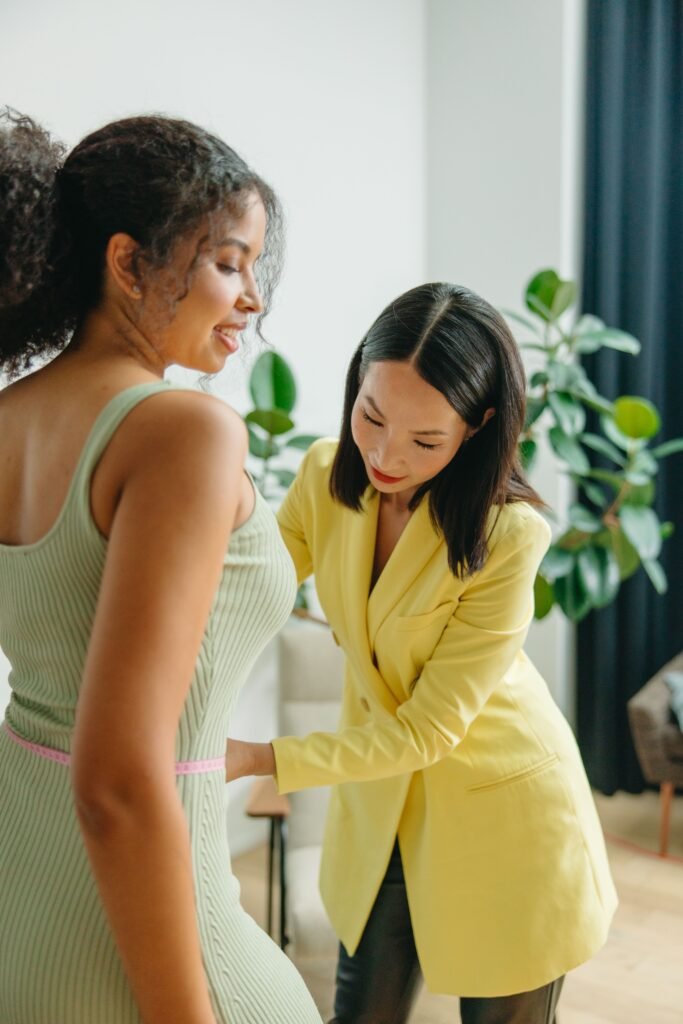

Finding clothes that look good is not always about following the latest fashion trend. Sometimes the most important factor is understanding how different cuts, proportions, and silhouettes work with your natural shape.
Every person has a different body structure, and there is no single outfit formula that works for everyone. A style that looks perfect on one person may create a completely different effect on someone else. This is why learning a few basic principles about body proportions can make getting dressed much easier.
Dressing for your body type should not mean hiding certain parts of yourself or following strict fashion rules. Instead, it can help you understand which shapes and proportions you personally enjoy wearing and how to create outfits that make you feel comfortable and confident.
Why Body Shape Matters in Fashion
Clothing creates visual lines around the body. Necklines, waistlines, hems, sleeves, and fabric volume can all influence how an outfit appears.
For example, a structured jacket may create a more defined silhouette, while a flowing dress can create a softer appearance. A high-waisted pair of trousers can visually lengthen the legs, while a cropped jacket can change the apparent position of the waist.
These effects do not mean that one body type is better than another. They simply explain why the same garment can look different on different people.
Understanding proportions gives you more choices because you can intentionally decide what kind of silhouette you want to create.
How to Identify Your Body Shape
Before choosing clothes according to body shape, it helps to understand your general proportions.
You do not need to fit perfectly into a single category. Human bodies are diverse, and many people have characteristics associated with more than one shape.
The commonly used categories include:
- Hourglass
- Pear
- Apple
- Rectangle
- Inverted triangle
These labels are simply styling tools. They should not be treated as strict definitions.
To get a general idea of your proportions, consider the relationship between your shoulders, bust, waist, and hips. You can also look at where your body naturally appears wider or narrower.
The goal is not to change your body. The goal is to understand how different garments interact with your existing proportions.
Styling an Hourglass Shape
An hourglass shape generally has a clearly defined waist with the bust and hips appearing relatively balanced.
If you want to emphasize this proportion, clothing that follows the natural waist can work particularly well.
Good options may include:
- Wrap dresses
- Belted dresses
- High-waisted trousers
- Fitted jackets
- Waist-defined skirts
- Tailored blazers
The key is not necessarily to wear extremely tight clothing. Structured garments that follow the body’s natural lines can create a polished appearance without sacrificing comfort.
A simple belt can also make a major difference because it visually emphasizes the waistline.
Styling a Pear Shape
A pear-shaped silhouette generally has hips that appear wider than the shoulders.
One styling approach is to create visual balance between the upper and lower portions of the outfit.
You might experiment with:
- Interesting necklines
- Statement earrings
- Structured shoulders
- Bright or detailed tops
- A-line skirts
- Straight-leg trousers
- Simple lower-half designs
This does not mean you need to hide your hips. Instead, you can decide whether you want to emphasize the waist, create more balance, or simply highlight the areas you personally like.
An A-line skirt, for example, gradually moves away from the waist and creates a smooth silhouette.
Styling an Apple Shape
An apple-shaped silhouette is often characterized by more visual fullness around the middle section of the body.
Comfort and proportion can be especially important when choosing clothing.
Useful options may include:
- V-neck tops
- Straight-leg trousers
- Longer jackets
- Relaxed blouses
- Empire-waist dresses
- Monochromatic outfits
Long vertical lines can create a visually streamlined effect. Open jackets and longer cardigans can also introduce vertical lines without requiring complicated styling.
The most important factor is comfort. If clothing feels restrictive around the waist, even an attractive outfit may not feel good throughout the day.
Styling a Rectangle Shape
A rectangle body shape generally has relatively similar measurements through the shoulders, waist, and hips, creating a straighter silhouette.
If you want to create the appearance of more curves or definition, consider garments that add shape.
Options include:
- Peplum tops
- Belts
- Layered outfits
- Pleated skirts
- Cropped jackets
- High-waisted trousers
- Dresses with defined waists
You can also use contrasting colors between the top and bottom of an outfit to create visual separation.
However, a straight silhouette can also look excellent with minimalist clothing. Tailored trousers, simple dresses, and clean jackets can create a sophisticated appearance without adding volume.
Styling an Inverted Triangle Shape
An inverted triangle shape generally has shoulders that appear broader than the hips.
If your goal is to create a more balanced silhouette, you can experiment with adding visual interest to the lower half of your outfit.
Some possibilities include:
- Wide-leg trousers
- A-line skirts
- Pleated skirts
- Bootcut jeans
- Bright or patterned bottoms
- Simple, streamlined tops
A balanced outfit does not require avoiding shoulder details completely. You can still wear structured jackets or interesting necklines if you like them.
The idea is simply to understand how different details influence overall proportions.
Choosing the Right Dress Silhouette
Dresses are particularly useful when experimenting with body proportions because they create one continuous silhouette.
Different dress shapes can produce very different effects.
An A-line dress gradually widens from the waist and can create a classic, balanced shape.
A wrap dress creates a diagonal line across the body and typically emphasizes the waist.
A bodycon dress follows the natural contours of the body and creates a close-fitting silhouette.
A shirt dress can provide a more relaxed and structured appearance, especially when worn with a belt.
If you are unsure which silhouettes work best for you, trying several different cuts can be more useful than relying entirely on fashion rules. Pay attention to how the garment feels as well as how it looks.
Think About Proportion, Not Just Body Shape
One of the most useful fashion lessons is that body shape is only one part of styling.
Proportion matters just as much.
For example, if you wear an oversized sweater with very wide trousers, the entire outfit may look intentionally relaxed and voluminous. Pairing the same sweater with slim trousers creates a different visual balance.
Similarly, a long coat can look very different depending on the length and shape of the clothing underneath it.
You can experiment with three basic elements:
Volume: How loose or fitted is each garment?
Length: Where does each piece end?
Structure: Is the clothing soft and flowing or tailored and defined?
Changing just one of these elements can transform an outfit.
Color Can Change the Overall Effect
Color is another important styling tool.
Wearing similar shades from head to toe can create a continuous visual line. Contrasting colors can divide the outfit into separate sections.
Neither approach is automatically better.
For example, a monochromatic outfit can create a sleek and cohesive appearance, while a contrasting top and skirt can make each piece stand out.
Color can also be used to draw attention to specific parts of an outfit. A colorful handbag, bright shoes, or patterned jacket can become the focal point without changing the basic silhouette.
Don’t Forget Fabric and Texture
Two garments with identical cuts can look completely different because of their materials.
Lightweight fabrics tend to move with the body and can create a softer appearance. Structured materials can create sharper lines.
Texture also influences how an outfit looks.
Knits, denim, linen, leather, satin, velvet, and cotton all have different visual qualities. Mixing textures can make a simple outfit more interesting without requiring bold patterns or accessories.
For example, a soft knit sweater paired with structured trousers creates contrast between relaxed and tailored elements.
Confidence Is More Important Than Fashion Rules
Body-shape guides are useful, but they should never become a list of restrictions.
If you love a particular style, you do not need to avoid it because someone says it is “wrong” for your body type.
Fashion is personal.
Use body-shape advice as a starting point rather than a set of rules. Try different silhouettes, colors, lengths, and fabrics. Then pay attention to what makes you feel comfortable and confident.
The best outfit is often the one that allows you to move naturally and feel like yourself.
Final Thoughts
Understanding your body proportions can make fashion choices easier, but there is no perfect formula for getting dressed. The purpose of body-shape styling is not to correct your appearance. It is to help you understand how clothing can create different visual effects.
Start by identifying the silhouettes you naturally enjoy. Experiment with waistlines, lengths, layers, colors, and fabrics. Then build your wardrobe around the combinations that make you feel comfortable.
Fashion becomes much more enjoyable when rules become tools rather than limitations. Once you understand proportion, you can break the traditional rules whenever you want and create a personal style that feels completely your own.