
Introduction
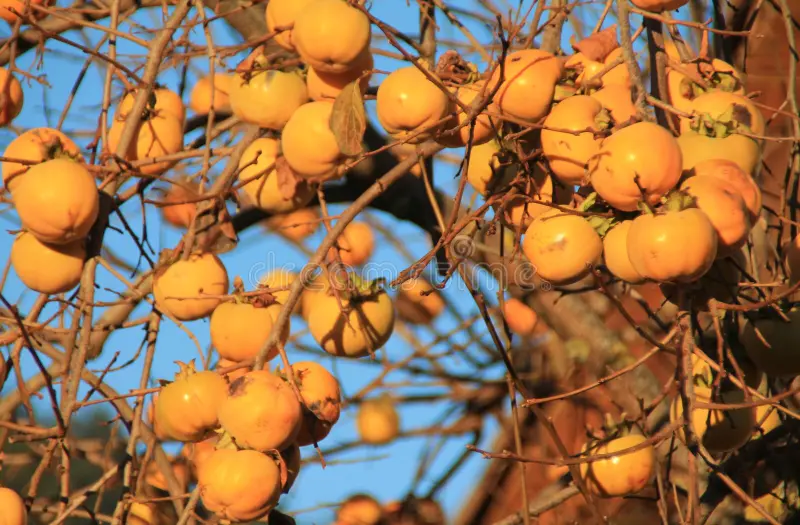
The caquis fruit is a delicious and naturally sweet fruit that has attracted attention because of its beautiful appearance, soft texture, and impressive nutritional value. Known as persimmon in English, caquis is particularly popular in countries such as Spain, Italy, Japan, and other parts of Europe and Asia. Its bright orange color makes it easy to recognize, while its sweet flavor makes it an enjoyable addition to many meals and desserts.
Although some people are familiar with persimmons, others may encounter the name caquis fruit for the first time. This fruit offers more than an appealing taste. It contains important vitamins, minerals, fiber, and antioxidants that support general health and help maintain a balanced diet.
Whether eaten fresh, dried, or added to different recipes, caquis fruit is a versatile food with several nutritional advantages. Understanding its varieties, benefits, storage methods, and culinary uses can help people appreciate why it has become a favorite seasonal fruit in many parts of the world.
What Is Caquis Fruit?
Caquis fruit is the Spanish and Portuguese name commonly used for persimmons. It comes from trees belonging to the Diospyros genus, particularly Diospyros kaki, which is widely cultivated for its edible fruit.
The fruit generally has a round or slightly oval shape and a bright orange or reddish-orange skin. Depending on the variety and ripeness, its flesh can be firm and crisp or extremely soft and juicy.
One of the most interesting characteristics of caquis fruit is its natural sweetness. Fully ripe persimmons can taste like a combination of honey, apricot, mango, and pumpkin. Some varieties have a smooth texture, while others remain firm even when ready to eat.
Caquis trees grow in regions with suitable climates, including parts of East Asia, Southern Europe, and the Mediterranean. Today, the fruit is available in many international markets, especially during autumn and winter.
Different Varieties of Caquis Fruit
There are several varieties of caquis fruit, and each offers a slightly different eating experience. Understanding these varieties helps consumers choose the right fruit for their preferences.
1. Fuyu Persimmon
Fuyu is one of the most popular non-astringent persimmon varieties. It usually has a round, slightly flattened shape and a bright orange color.
Unlike some other persimmons, Fuyu can be eaten while it is still firm. Its texture resembles that of an apple, making it ideal for people who enjoy crunchy fruit.
Fuyu persimmons have a mild sweetness and can be eaten with their skin. They are also suitable for salads, fruit bowls, and desserts.
2. Hachiya Persimmon
Hachiya persimmons are recognizable because of their elongated, heart-shaped appearance. They are an astringent variety, meaning they contain tannins that create a dry, unpleasant sensation in the mouth when eaten before becoming fully ripe.
When completely soft, however, Hachiya develops a rich, sweet, almost pudding-like consistency.
This variety is especially useful for baking, smoothies, sauces, and sweet desserts.
3. Rojo Brillante Persimmon
Rojo Brillante is a well-known Spanish persimmon variety. It has an attractive orange-red color and a sweet flavor.
Some commercially treated Rojo Brillante fruits are sold as firm, non-astringent persimmons. They are particularly popular in Spain and other European markets.
Their firm texture makes them convenient for slicing and serving as a fresh snack.
4. Sharon Fruit
Sharon fruit is a commercially marketed type of persimmon associated with Israel. It is generally seedless and treated to remove its astringency.
Its mild sweetness and firm texture make it easy to eat without waiting for the fruit to become extremely soft.
Nutritional Value of Caquis Fruit
One of the main reasons people include caquis fruit in their diets is its nutritional composition. It provides several essential nutrients while naturally containing very little fat.
The exact nutritional values depend on the variety, size, and ripeness of the fruit.
A medium-sized Japanese persimmon weighing approximately 168 grams provides roughly:
| Nutrient | Approximate amount |
|---|---|
| Calories | 118 |
| Carbohydrates | 31 g |
| Natural sugars | 21 g |
| Dietary fiber | 6 g |
| Protein | 1 g |
| Fat | 0.3 g |
| Vitamin C | 12.6 mg |
| Potassium | 270 mg |
| Vitamin A | 136 mcg RAE |
Caquis fruit also contains smaller amounts of other vitamins and minerals.
Its fiber content is particularly useful for people who want to increase their daily fiber intake. Additionally, its colorful flesh contains plant compounds such as carotenoids and flavonoids.
Top Health Benefits of Caquis Fruit
Caquis fruit offers several nutritional benefits when consumed as part of a balanced diet. Its combination of fiber, vitamins, minerals, and antioxidants makes it a valuable addition to everyday meals.
1. Supports Digestive Health
One important benefit of caquis fruit is its dietary fiber content. Fiber supports normal digestion and helps maintain regular bowel movements.
Eating fiber-rich foods can also help support a healthy digestive system by contributing to beneficial gut bacteria.
People who struggle to consume enough fruits and vegetables may find persimmons a convenient way to increase their daily fiber intake.
However, individuals should increase fiber gradually and drink enough water to avoid digestive discomfort.
2. Provides Antioxidants
Caquis fruit contains several antioxidant compounds, including carotenoids and flavonoids.
Antioxidants help protect cells from oxidative stress caused by unstable molecules known as free radicals.
Oxidative stress is associated with various long-term health concerns. Including colorful fruits and vegetables in a balanced diet helps provide a range of protective plant compounds.
The orange color of persimmons is partly associated with carotenoid pigments, which contribute to their nutritional value.
3. Supports Immune Function
Vitamin C is an essential nutrient involved in normal immune system function.
Caquis fruit provides vitamin C, which also supports collagen production and helps the body absorb iron from plant-based foods.
Although eating persimmons cannot prevent every illness, including vitamin-rich fruits in a balanced diet can help maintain normal immune function.
4. Contributes to Heart Health
Caquis fruit contains potassium and dietary fiber, both of which contribute to a heart-healthy eating pattern.
Potassium helps regulate fluid balance and supports normal muscle and nerve function. It also plays an important role in maintaining healthy blood pressure.
Fiber can help support healthy cholesterol levels when consumed regularly through a varied diet.
These benefits make caquis fruit a useful option for people looking to include more nutrient-rich plant foods in their meals.
5. Supports Healthy Skin
The vitamins and antioxidants found in caquis fruit contribute to normal skin health.
Vitamin C supports collagen production, while carotenoids help protect cells from oxidative damage.
Eating persimmons alongside other fruits, vegetables, whole grains, and healthy protein sources can contribute to a balanced nutritional routine.
However, no single fruit can eliminate wrinkles or guarantee clear skin.
6. Helps Maintain Digestive Satisfaction
Because caquis fruit contains dietary fiber and water, it can help make snacks more satisfying.
Fiber slows digestion and contributes to feelings of fullness. This can be helpful for people who want to manage their eating habits without relying on heavily processed snacks.
Its natural sweetness also makes it a useful alternative to some sugary desserts.
7. Supports Eye Health
Persimmons contain carotenoids, including beta-carotene and other compounds associated with orange-colored fruits.
Some carotenoids can be converted into vitamin A in the body. Vitamin A plays an essential role in normal vision, particularly in low-light conditions.
Eating a variety of colorful vegetables and fruits is a practical way to obtain nutrients that support eye health.
How Does Caquis Fruit Taste?
The taste of caquis fruit depends largely on its variety and ripeness.
A ripe Fuyu persimmon has a mild, sweet flavor with a crisp texture. Many people compare it to a mixture of apple, pear, and honey.
Hachiya persimmons taste richer and sweeter when fully ripe. Their soft flesh has a creamy consistency that resembles fruit pudding.
Some varieties have subtle notes of cinnamon, apricot, or mango. These natural flavors make persimmons suitable for both sweet and savory dishes.
An important point is that unripe astringent persimmons can taste extremely unpleasant. Their tannins create a dry, puckering feeling in the mouth.
For this reason, it is important to understand the variety before eating the fruit.
How to Eat Caquis Fruit
Caquis fruit can be enjoyed in several simple ways. Its natural sweetness means that it usually does not require additional sugar or complicated preparation.
Here are some popular ways to enjoy it.
Eat It Fresh
The easiest way to enjoy caquis fruit is to wash it, remove any leaves, and slice it.
Firm varieties such as Fuyu can be eaten like apples. Their skin is generally edible, although some people prefer peeling it.
For soft varieties, cut the fruit in half and scoop out the sweet flesh with a spoon.
Add It to Fruit Salads
Persimmons work particularly well in fruit salads because of their sweetness and attractive color.
Combine sliced caquis with apples, grapes, oranges, strawberries, and bananas.
A little lemon juice can help balance the sweetness and add freshness.
Prepare a Smoothie
Caquis fruit can give smoothies a naturally sweet and creamy consistency.
Blend ripe persimmon with milk, yogurt, banana, and a few ice cubes.
You can also add chia seeds or oats for additional fiber.
Use It in Baking
Soft Hachiya persimmons are especially useful in baking.
Their pulp can be incorporated into:
- Cakes
- Muffins
- Bread
- Cookies
- Puddings
- Fruit-based desserts
The fruit adds moisture and natural sweetness, which can help create delicious homemade recipes.
Dry the Fruit
Dried persimmons are popular in several Asian countries.
The drying process removes much of the fruit’s water content and concentrates its natural sweetness.
Dried caquis can be enjoyed as a snack or added to breakfast cereals, oatmeal, and homemade trail mixes.
Because dried fruit is more concentrated in natural sugars and calories per gram, portion sizes are worth considering.
How to Choose Ripe Caquis Fruit
Choosing the right fruit is important because ripeness affects both flavor and texture.
When shopping for caquis, consider the following points.
Check the color: Most ripe persimmons have an attractive orange or reddish-orange appearance. Avoid fruits with extensive dark damage or signs of decay.
Examine the skin: The skin should generally look smooth and healthy. Small natural marks are not necessarily a problem.
Feel the texture: Fuyu persimmons can be firm when ready to eat. Hachiya persimmons should become very soft before consumption.
Look at the leaves: The green or brown leafy cap should be reasonably intact, although minor drying is normal.
Consider the smell: A ripe persimmon may have a mild, sweet fragrance. An unpleasant fermented smell can indicate spoilage.
Understanding these differences can help prevent the common mistake of eating an unripe astringent persimmon.
How to Store Caquis Fruit Properly
Proper storage helps preserve the flavor and quality of caquis fruit.
Firm persimmons can be stored at room temperature if they need additional time to ripen. Keep them away from excessive heat and direct sunlight.
Once a Fuyu persimmon reaches the desired ripeness, refrigeration can help extend its freshness.
Soft Hachiya persimmons should generally be refrigerated if they are not going to be eaten immediately.
For longer storage, persimmon pulp can be frozen in airtight containers. This is particularly useful when preparing smoothies, baked goods, or desserts later.
Always inspect stored fruit before eating it. Discard persimmons showing mold, leaking liquid, or clear signs of spoilage.
Can Everyone Eat Caquis Fruit?
Most people can enjoy caquis fruit as part of a balanced diet. However, there are a few considerations worth understanding.
First, people with diabetes should pay attention to portion sizes because persimmons contain natural sugars and carbohydrates. Whole fruit can still fit into many balanced eating plans, but individual needs vary.
Second, astringent persimmons should not be eaten before they are fully ripe. Their high tannin content can cause an unpleasant sensation and, in rare circumstances, contribute to digestive problems.
Third, people with certain digestive conditions or a history of intestinal blockage should discuss their dietary choices with a healthcare professional. Consuming very large amounts of persimmons, particularly unripe fruit, has occasionally been associated with the formation of hard masses in the digestive tract called phytobezoars.
As with any food, moderation and variety are important.
Caquis Fruit in Different Cuisines
Persimmons have an interesting place in food cultures around the world.
In Japan, persimmons are known as kaki. They are enjoyed fresh and dried, and dried varieties are traditionally prepared during the colder months.
In Spain, caquis are popular autumn and winter fruits. They are often served fresh, sliced, or incorporated into desserts.
In Italy, persimmons are commonly eaten when fully ripe. Their soft flesh is also used in homemade sweet preparations.
In Korea, dried persimmons are known as gotgam and are used in traditional snacks and desserts.
These different culinary traditions demonstrate how a single fruit can become part of many food cultures.
Delicious Caquis Fruit Recipe Ideas
If you want to enjoy this fruit in creative ways, consider trying a few simple recipes.
Caquis and Yogurt Breakfast Bowl
Start with a bowl of plain yogurt. Add sliced Fuyu persimmon, chopped walnuts, and a spoonful of oats.
You can finish the bowl with cinnamon or a small amount of honey.
This combination provides fiber, protein, and healthy fats, making it a satisfying breakfast.
Persimmon and Spinach Salad
Combine fresh spinach, sliced persimmon, walnuts, and a little crumbled cheese.
Add olive oil, lemon juice, and black pepper to prepare a simple dressing.
The sweetness of the fruit balances the slightly earthy flavor of spinach.
Creamy Persimmon Smoothie
Blend one ripe persimmon with a banana, plain yogurt, and a little milk.
Continue blending until smooth. Add ice if you prefer a colder drink.
This recipe is easy to prepare and requires very little added sweetener.
Homemade Persimmon Dessert
Take the pulp of a fully ripe Hachiya persimmon and mix it with plain yogurt and cinnamon.
Refrigerate the mixture for a short time and serve chilled.
Its naturally creamy texture makes it a simple dessert option.
Why Is Caquis Fruit Becoming More Popular?
Interest in caquis fruit has grown as consumers explore different seasonal foods and look for alternatives to familiar fruits.
Its attractive appearance makes it appealing in food photography and modern recipes. At the same time, its natural sweetness and nutritional composition make it suitable for many everyday meals.
Another reason for its popularity is versatility. Unlike some fruits that are mainly eaten fresh, persimmons can be dried, frozen, baked, blended, and incorporated into savory dishes.
The fruit also represents an interesting connection between traditional food cultures and modern eating habits.
As international food markets continue to introduce consumers to different varieties, caquis fruit is likely to remain an appealing option for people interested in seasonal produce.
Conclusion
Caquis fruit is a flavorful and nutritious fruit that deserves a place in a varied and balanced diet. Better known as persimmon, it offers natural sweetness, dietary fiber, vitamin C, potassium, and beneficial antioxidant compounds.
From crisp Fuyu persimmons to soft and creamy Hachiya varieties, there are several options for enjoying this versatile fruit. It can be eaten fresh, included in salads, blended into smoothies, used in baking, or dried for a naturally sweet snack.
Its potential benefits include supporting digestive health, providing antioxidants, contributing to normal immune function, and supplying nutrients that help maintain overall well-being.
However, choosing the correct level of ripeness is essential, especially with astringent varieties. Understanding proper storage and reasonable portion sizes can also help people enjoy persimmons safely.
Ultimately, caquis fruit is more than an attractive seasonal food. It is a delicious way to add variety, natural sweetness, and valuable nutrients to everyday eating habits. Whether you discover it at a local market or encounter it in an international recipe, this fruit offers plenty of reasons to give it a try.