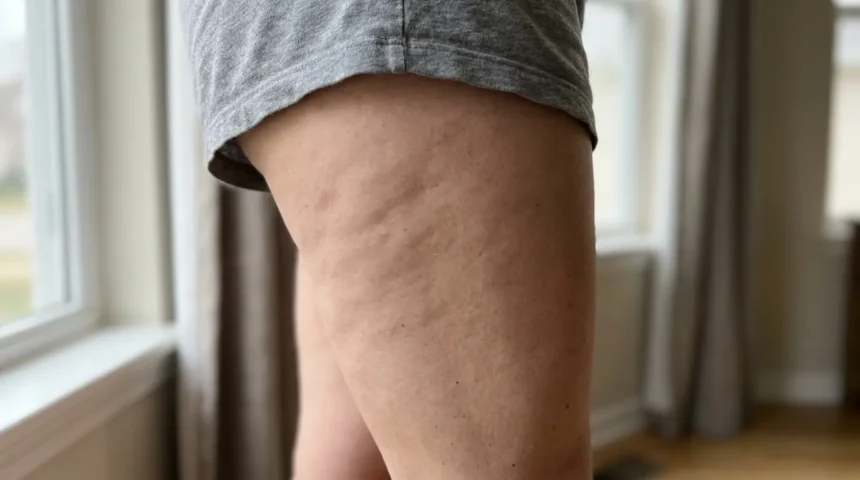

The beauty and wellness industry constantly introduces new words, concepts, and approaches that attract attention. One term that has started appearing in online skincare discussions is cellulogia. People searching for this unusual word often want to understand its meaning, its connection with cellulite, and whether it represents a new approach to improving skin appearance.
Cellulogia is an interesting term because it is frequently associated with skincare, body wellness, skin texture, and cellulite management. However, it is important to understand that cellulogia is not an officially recognized medical specialty or a standardized scientific treatment. Different online sources use the word in different ways, making it necessary to separate general beauty discussions from medically established information.
This article explores cellulogia, its possible meanings, its relationship with cellulite, commonly associated skincare practices, potential benefits, and important considerations for anyone interested in body care.
What Is Cellulogia?
Cellulogia is an emerging term used in some online beauty and wellness discussions, particularly those focusing on cellulite and skin appearance. It is generally presented as a broad concept involving skincare, massage, body-care routines, and aesthetic approaches intended to improve the appearance of uneven skin.
Unlike established medical terms such as dermatology and cosmetology, cellulogia does not have one universally accepted definition. It is not recognized as an independent medical discipline, and there is no standardized treatment protocol officially associated with the name.
Some websites describe cellulogia as a holistic approach to cellulite management, while others connect it with non-invasive beauty treatments and skin-improvement techniques. These different interpretations make it important to investigate the actual products or procedures being discussed rather than relying on the name alone.
The term may sound scientific, but a scientific-sounding name does not automatically establish medical credibility. Anyone researching cellulogia should consider the available evidence and distinguish marketing language from verified information.
Understanding the Connection Between Cellulogia and Cellulite
One of the strongest associations with cellulogia is cellulite. Cellulite is a common skin feature that creates small dimples, uneven areas, or a textured appearance. It most frequently appears around the thighs, hips, buttocks, and sometimes the abdomen.
Cellulite develops because of interactions between the skin, underlying fat, and connective tissue. The connective bands beneath the skin can pull downward while the surrounding fat pushes upward, producing the familiar dimpled appearance.
It is important to understand that cellulite is not necessarily a sign of poor health, unhealthy eating, or insufficient exercise. People with different body shapes, weights, and fitness levels can have cellulite.
Cellulogia-related discussions generally focus on ways to improve the visible appearance of cellulite. However, there is no evidence that cellulogia itself represents a scientifically proven treatment. The effectiveness of any associated technique must be evaluated separately.
Why Is Cellulogia Attracting Attention?
Several factors help explain why cellulogia has attracted interest in online beauty discussions.
First, people increasingly search for practical information about skincare and body appearance. Social media platforms, beauty blogs, and wellness websites regularly introduce unfamiliar terminology that encourages readers to investigate new ideas.
Second, cellulite remains a popular subject in the beauty industry. Many consumers want to understand why it develops and whether particular skincare routines can make their skin appear smoother.
Third, the growing interest in non-invasive cosmetic treatments has encouraged discussions about massage techniques, body-care devices, and topical products. Cellulogia is sometimes used as an umbrella term for these different approaches.
Nevertheless, popularity does not establish effectiveness. Readers should examine the actual methods behind the concept before deciding whether a particular product or service deserves their attention.
Common Practices Associated With Cellulogia
Although cellulogia does not describe one standardized procedure, several existing beauty and body-care practices are commonly associated with the concept.
1. Skincare and Moisturizing
Maintaining properly moisturized skin is an important part of a regular skincare routine. Moisturizers help support the skin barrier and reduce dryness, making the skin feel softer and appear healthier.
Some cellulite-focused products contain ingredients such as caffeine or retinol. Certain formulations may temporarily improve the appearance of cellulite, although results vary.
According to dermatological guidance, products containing 0.3% retinol may provide modest improvements after consistent use over several months. These products are not guaranteed solutions, and individuals should consider possible irritation before using them. American Academy of Dermatology+1
2. Massage Techniques
Massage is another practice frequently connected with cellulogia discussions. Different massage techniques aim to stimulate the skin and temporarily change its appearance.
Some professional treatments use mechanical rollers and vacuum-assisted equipment to massage targeted areas. These procedures may produce temporary improvements in skin texture, but their results are not necessarily permanent.
It is important to avoid aggressive massage that causes pain, bruising, or skin irritation. A qualified professional can explain whether a particular technique is suitable.
3. Regular Physical Activity
Exercise supports general health and can contribute to improved muscle tone. Activities such as walking, cycling, swimming, strength training, and Pilates can help people maintain an active lifestyle.
Building muscle may make certain areas of the body appear firmer. This can sometimes make cellulite less noticeable, although exercise does not guarantee its removal.
The goal should be improved physical health rather than attempting to achieve an unrealistic standard of skin appearance.
4. Healthy Eating Habits
Nutrition also plays an important role in overall skin health. A balanced diet containing vegetables, fruits, whole grains, healthy fats, and sufficient protein provides nutrients that support normal body functions.
Drinking enough water helps maintain normal hydration. However, drinking additional water should not be presented as a proven method of removing cellulite.
Similarly, there is no special diet scientifically established as a cellulogia diet. A sustainable eating pattern is more valuable than restrictive programs promising rapid cosmetic results.
5. Professional Aesthetic Treatments
Some online descriptions of cellulogia also mention professional procedures intended to reduce visible cellulite.
These may include acoustic wave therapy, laser treatments, radiofrequency procedures, and subcision. Each method works differently, and the available evidence and potential risks vary.
The American Academy of Dermatology identifies several procedures that can improve the appearance of cellulite in selected patients. However, results depend on the treatment, individual circumstances, and professional expertise. American Academy of Dermatology+1
Potential Benefits Associated With Cellulogia
People interested in cellulogia generally want to learn whether the concept offers meaningful benefits. Since it is not a standardized treatment, its potential benefits depend entirely on the actual practices or procedures involved.
Some possible advantages of adopting sensible skincare and body-care habits include:
- Improved skin hydration: Regular moisturizing can help dry skin feel softer and more comfortable.
- Better skincare awareness: Learning about ingredients and skin health encourages more informed product choices.
- Consistent self-care: Developing a regular routine can make personal care easier to maintain.
- Improved muscle tone: Physical activity and strength training can support a firmer-looking appearance.
- More informed cosmetic decisions: Understanding cellulite treatments helps consumers compare professional options.
- Greater confidence: A healthy relationship with personal appearance can support a more positive attitude toward body image.
These are potential benefits of individual wellness practices, not clinically established benefits of cellulogia itself.
Is Cellulogia Scientifically Proven?
This is one of the most important questions surrounding the term.
Currently, cellulogia is not an established medical discipline, and there is no universally accepted clinical method operating under this name. Consequently, it would be inaccurate to claim that cellulogia has been scientifically proven to eliminate cellulite or permanently transform skin.
However, this does not mean that every practice associated with the term is ineffective.
For example, certain professional cellulite treatments have been investigated in medical research. The American Academy of Dermatology discusses acoustic wave therapy, laser procedures, and subcision as options that may reduce visible dimpling in some patients.
The Mayo Clinic also explains that massage-based treatments, radiofrequency, laser procedures, and other approaches can produce varying degrees of improvement. Some results are temporary, while certain procedures may provide longer-lasting changes. American Academy of Dermatology+1
The important distinction is between evidence supporting an individual procedure and claims made about an unfamiliar umbrella term.
Consumers should always evaluate the actual treatment rather than assuming that the word cellulogia guarantees effectiveness.
Safety Considerations Before Trying Cellulogia
Safety deserves attention whenever a beauty or wellness concept involves products, equipment, or cosmetic procedures.
Before purchasing a product or scheduling a treatment advertised as cellulogia, consider the following precautions.
Check the ingredients: Read product labels carefully and research active ingredients. Avoid products with unclear ingredient lists or exaggerated promises.
Perform a patch test: New skincare products can cause irritation or allergic reactions. Testing a small area first can help identify potential problems.
Choose qualified professionals: Procedures involving lasers, needles, suction equipment, or other specialized devices should be discussed with appropriately trained healthcare professionals.
Understand possible side effects: Depending on the technique, possible effects include redness, tenderness, bruising, swelling, and irritation.
Avoid unrealistic promises: Claims of permanent cellulite removal, instant fat loss, or guaranteed results should be treated cautiously.
Seek medical advice when necessary: A dermatologist can evaluate skin concerns and explain which established treatments may be appropriate.
It is also important to distinguish cellulite from cellulitis. Despite their similar spelling, they are different conditions. Cellulite is a common cosmetic skin feature, whereas cellulitis is a bacterial skin infection that requires medical attention.
How to Build a Practical Skin-Care Routine
Someone interested in cellulogia does not necessarily need expensive products or complicated procedures. A simple, consistent routine can support general skin health.
A practical approach may include the following habits:
- Cleanse gently: Use a suitable cleanser to remove dirt, sweat, and everyday impurities.
- Moisturize regularly: Apply a moisturizer that suits your skin type.
- Protect your skin: Use broad-spectrum sunscreen on exposed skin to help protect against ultraviolet damage.
- Stay physically active: Choose enjoyable activities that support strength, mobility, and general fitness.
- Maintain balanced nutrition: Eat a varied diet that provides essential nutrients.
- Avoid excessive experimentation: Introducing too many products or treatments at once can increase the possibility of irritation.
- Be patient: Skin appearance changes gradually, and individual results differ.
This approach focuses on realistic skincare habits instead of relying on unverified promises associated with a trending term.
Cellulogia vs. Traditional Cellulite Treatments
Understanding the difference between cellulogia and established cellulite treatments can help readers avoid confusion.
| Feature | Cellulogia | Established treatments |
|---|---|---|
| Definition | Informal wellness and beauty term | Recognized cosmetic procedures |
| Medical recognition | Not officially recognized | Some have clinical evidence |
| Treatment methods | Vary between providers | Specific documented techniques |
| Expected results | Not established | Depend on the procedure |
| Scientific evidence | No evidence for the term itself | Varies by treatment |
This comparison highlights why consumers should investigate individual treatments instead of relying on a general label.
Who Might Be Interested in Cellulogia?
Cellulogia-related content may attract several groups of people.
- Individuals researching cellulite and skin texture.
- People interested in developing consistent skincare routines.
- Beauty enthusiasts exploring non-invasive cosmetic procedures.
- Consumers comparing different cellulite-focused products.
- Readers interested in understanding modern wellness terminology.
However, interest in cellulogia does not mean that everyone needs a cellulite treatment. Cellulite is a normal and common feature of human skin, and there is no medical requirement to remove it.
People should make cosmetic decisions according to their own preferences, comfort, and professional medical advice.
Common Myths and Misconceptions About Cellulogia
Because cellulogia has no universally accepted definition, misunderstandings can easily develop around the term.
Here are some important misconceptions worth addressing.
Myth 1: Cellulogia is an officially recognized medical science.
There is no established medical specialty or scientific discipline recognized under this name.
Myth 2: Cellulogia permanently removes cellulite.
No such guarantee is supported by reliable clinical evidence. Even established treatments have limitations, and results vary.
Myth 3: Cellulite only affects people who are overweight.
Cellulite can appear in people with different body weights and fitness levels. Genetics, skin structure, hormones, and other factors contribute to its appearance.
Myth 4: Expensive creams always produce better results.
Price does not establish effectiveness. Consumers should examine ingredients and available research rather than relying on product marketing.
Myth 5: Exercise completely eliminates cellulite.
Physical activity can improve muscle tone and general health, potentially making cellulite less noticeable. It does not guarantee complete removal.
Understanding these misconceptions makes it easier to approach cellulogia with realistic expectations.
The Future of Cellulogia in the Beauty and Wellness Industry
The beauty and wellness industry continues to evolve as consumers become more interested in personalized skincare and non-invasive cosmetic options.
New technologies, research developments, and consumer preferences influence the way companies introduce beauty products and services. Consequently, unfamiliar terms such as cellulogia may continue appearing in online discussions.
Future developments in cellulite research may provide better information about skin structure, connective tissue, and the effectiveness of different cosmetic procedures.
However, the future popularity of a term should not be confused with scientific progress. Any treatment advertised under the cellulogia name should be evaluated using transparent information, clinical evidence, and appropriate safety standards.
Consumers are also becoming more interested in understanding what they purchase. This creates an opportunity for responsible beauty businesses to provide clear product descriptions, realistic expectations, and honest information about potential results.
If cellulogia becomes more widely used as a beauty-related expression, its meaning will still need to be supported by clear definitions and reliable evidence.
Frequently Asked Questions About Cellulogia
1. What does cellulogia mean?
Cellulogia is an informal term used in some online beauty and wellness discussions. It is generally associated with cellulite management, skincare, massage, and approaches intended to improve skin appearance. It does not have one universally accepted scientific or medical definition.
2. Is cellulogia a real medical treatment?
No established medical treatment is officially recognized under the name cellulogia. Different websites and providers use the word to describe different beauty and body-care approaches. The actual procedure or product should be evaluated independently.
3. Can cellulogia remove cellulite permanently?
There is no reliable evidence that cellulogia permanently removes cellulite. Some established cosmetic procedures can reduce visible dimpling, but results vary depending on the method and individual circumstances.
4. Is cellulogia suitable for every skin type?
Because cellulogia is not a standardized treatment, suitability depends on the specific products or procedures involved. People with sensitive skin or existing skin concerns should consult an appropriate healthcare professional before trying unfamiliar treatments.
5. Does cellulogia help improve skin texture?
Some practices associated with the term, such as moisturizing and certain professional treatments, may improve the appearance or feel of skin. However, these effects should not be attributed to cellulogia as an independently proven method.
6. Is cellulogia connected with weight loss?
Cellulogia is sometimes discussed alongside body contouring and cellulite management, but it is not an established weight-loss method. Massage and cosmetic skin procedures should not be confused with methods for achieving meaningful, sustainable weight loss.
7. Are cellulogia creams effective?
There is no standardized cellulogia cream. Individual products may contain ingredients studied for their effects on cellulite appearance, but effectiveness varies. Consumers should examine the ingredients and avoid products promising guaranteed results.
8. Should someone consult a dermatologist before trying cellulogia?
Consulting a dermatologist is a sensible decision when considering specialized skincare products or cosmetic procedures. A qualified professional can explain the available evidence, potential side effects, and suitable alternatives.
Conclusion
Cellulogia is an interesting term appearing in modern beauty, skincare, and wellness discussions. Its strongest association is with cellulite management and different approaches to improving the appearance of skin. However, it is important to recognize that cellulogia is not an officially established medical discipline, standardized cosmetic treatment, or scientifically proven method.
The practices commonly associated with the term include moisturizing, massage, physical activity, balanced nutrition, and professional aesthetic procedures. Some of these approaches have individual benefits supported by dermatological research, but their effectiveness should never be confused with proof that cellulogia itself works.
For anyone exploring this subject, the best approach is to prioritize reliable information, realistic expectations, and safe skincare habits. Professional medical guidance is particularly important before investing in specialized cosmetic procedures.
Ultimately, understanding cellulogia means looking beyond an unfamiliar name and examining the actual science, products, and practices behind it. Healthy skin does not require unrealistic beauty standards, and informed personal-care decisions are always more valuable than following unverified trends.