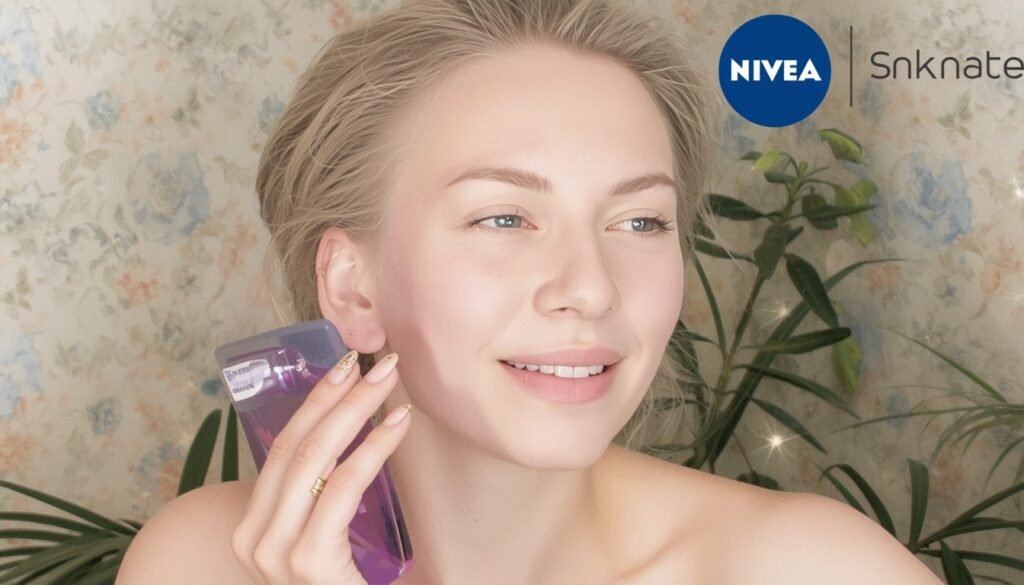

When you start your journey into personal care, the sheer volume of options at the local drugstore can feel overwhelming. Many people often ask themselves, “I’m a Skincare Beginner. Is Nivea a Good Starting Brand Compared to Garnier?” as they stand in front of crowded shelves.
Both companies are household names with decades of history, yet they cater to slightly different preferences and skin needs. Understanding how these two giants compare will help you build a simple, effective routine without breaking the bank. This article clarifies the strengths of each, ensuring you feel confident in your choices as you begin your path to healthier skin.
The short answer is that both are excellent, reliable choices for someone just starting out. Nivea generally leans toward deep, heavy-duty hydration, making it a favorite for those with dry skin. Garnier, by contrast, often focuses on lighter, refreshing formulas and specific targeted treatments like micellar water.
Neither is objectively “better” than the other; the right choice depends entirely on your specific skin type and your personal texture preferences. You cannot go wrong with either for your first foray into basic cleansing and moisturizing.
The Core Philosophy of Nivea
Nivea is widely recognized for its long-standing commitment to simple, reliable, and deeply moisturizing formulas. The brand centers its identity on the iconic blue tin of Creme, a product that has remained a staple in medicine cabinets for generations. For a beginner, this brand offers a sense of stability and predictability that is very comforting.
The primary focus of their range is barrier protection. They utilize ingredients like glycerin, panthenol, and various oils to ensure the skin remains supple and protected from environmental stressors. If you feel like your skin is constantly tight or flaky, their products provide a substantial, comforting layer of hydration.
Because their formulas are often thicker, they are particularly well-suited for the colder months or for individuals who naturally struggle with dryness. You won’t find many complex active acids or aggressive exfoliants here; instead, you get straightforward care. This simplicity is exactly what makes them a top contender for someone who is just learning the ropes of a daily routine.
The Garnier Approach to Skincare
Garnier positions itself as the more modern, versatile sibling in the drugstore aisle. They have made a significant impact on the market by focusing on accessibility and innovative, lightweight textures. For many beginners, the brand is synonymous with their famous micellar water, which simplified the makeup removal process for millions.
Their formulations often incorporate botanical extracts and fruit-based ingredients, giving them a fresher, more vibrant appeal. They tend to offer a wider array of products for different skin concerns, including specialized lines for oily skin or those seeking a brighter complexion. This variety allows you to experiment with different textures—like gels or sprays—without spending a premium.
This brand is a fantastic entry point if you prefer products that feel invisible on the skin. While Nivea might feel like a protective blanket, Garnier often feels like a refreshing splash of water. If you are worried about your pores feeling clogged or you dislike the feeling of heavy creams, this approach will likely align better with your needs.
Comparing Hydration and Texture
When deciding between these two, the physical experience of using the product matters just as much as the ingredients. Nivea products are famous for their richness. If you have dry skin, you will likely appreciate the density of their moisturizers, which lock in moisture effectively throughout the day.
Garnier, on the other hand, excels in lightweight hydration. Their water-based gels and serums are designed to absorb rapidly, leaving behind a matte or natural finish rather than a dewy, heavy one. This makes them highly popular for people who wear makeup daily, as they provide a smooth base that doesn’t slide around.
Must Read: 7 Powerful Reasons to Explore TechTrendery.com USA for Better Technology Insights
Key Differences at a Glance
The following table highlights the general tendencies of each brand to help you decide which fits your current lifestyle and skin type.
| Feature | Nivea | Garnier |
|---|---|---|
| Primary Strength | Deep, occlusive hydration | Lightweight, refreshing textures |
| Best For | Dry or dehydrated skin | Normal, oily, or combination skin |
| Common Texture | Rich, creamy, balm-like | Fluid, gel, or water-based |
| Key Vibe | Classic, protective, soothing | Modern, versatile, energizing |
Ingredients and Sensitive Skin Considerations
Both brands are mass-market leaders, which means they must formulate products that are safe for a vast majority of the population. However, because they are mass-market, they often use fragrance in their products to provide a pleasant sensory experience. If you have extremely reactive or sensitive skin, you should always check the label for specific allergens.
Nivea is known for its classic, recognizable scent, which is comforting to many but can be a drawback for those with skin sensitivities. They do offer sensitive-specific ranges that omit some of these additives, so it is worth looking for those particular bottles. You can learn more about how to evaluate product labels by visiting the American Academy of Dermatology for their guidelines on skincare basics.
Garnier also uses fragrance, though their newer lines often lean toward cleaner, plant-derived scent profiles. Their micellar waters are generally fragrance-free, making them a safer bet if you are worried about irritation. As a beginner, it is always a smart move to perform a patch test on your inner forearm before applying any new product directly to your face.
Building Your First Routine
You don’t need a ten-step process to see results; in fact, a complex routine often leads to confusion and potential irritation. A great beginner routine consists of three simple steps: cleansing, moisturizing, and sun protection. Both Nivea and Garnier offer products that can handle these steps with ease.
You can mix and match based on what feels right for your face. For instance, you might use a Garnier micellar water to cleanse your skin at night because it effectively removes impurities without needing to rinse. Then, you might follow up with a Nivea moisturizer to ensure your skin stays hydrated while you sleep.
- Start with a gentle cleanser to remove daily debris without stripping natural oils.
- Use a moisturizer morning and night to maintain your skin barrier.
- Apply an SPF every single morning, regardless of the weather or season.
- Don’t introduce more than one new product at a time to monitor for reactions.
- Be consistent; your skin needs time to adjust to any new regimen.
Common Mistakes Beginners Make
The most common trap is thinking that more products equal better results. When you start, it is tempting to buy a scrub, a serum, and a mask all at once. This often results in over-exfoliation or a compromised skin barrier, which can take weeks to fix.
Another frequent error is skipping the moisturizer because you have oily skin. Even if your skin produces excess oil, it still needs hydration to stay healthy and balanced. If you use a product that is too harsh—or if you don’t hydrate properly—your skin might overcompensate by producing even more oil.
Finally, patience is essential. Many people switch brands every few days when they don’t see an instant transformation.
Give your chosen products at least four weeks of consistent use before deciding if they are working for you. Your skin’s natural cell turnover cycle takes about a month, so real changes take time.
When to Consider Other Options
While Nivea and Garnier are fantastic for general care, there may come a time when you outgrow them. If you develop specific concerns like severe acne, rosacea, or deep hyperpigmentation, these brands may not contain the clinical-strength actives you need. At that point, you might look into dermatological brands that focus on specialized ingredients like retinoids or high-dose vitamin C.
However, even if you eventually move on to more niche products, you will likely keep a basic cleanser or moisturizer from these brands in your rotation. They are reliable, affordable, and widely available. There is no shame in sticking with what works, even if it is a classic drugstore staple.
Keep in mind that your skin changes with the seasons and as you age. A product that worked perfectly in the humid summer might feel insufficient in the dry winter. Being a smart skincare user means listening to your skin and adjusting your routine rather than sticking to a rigid list of products forever.
Frequently Asked Questions
Is Nivea better than Garnier for oily skin?
Generally, Garnier offers a wider range of lightweight, gel-based products that are less likely to feel heavy on oily skin. Nivea can sometimes feel too rich for those prone to excess oil, though they do have some lighter lotions.
What do dermatologists think of these brands?
Dermatologists often recommend these brands for beginners because they are accessible, affordable, and generally well-formulated for basic needs. While they may not contain prescription-strength actives, they provide a solid foundation for maintaining a healthy skin barrier.
Can I use Nivea and Garnier products together?
Absolutely, you can mix and match. Many people use a Garnier micellar water for cleansing and a Nivea cream for moisturizing. The brands are not designed to be incompatible, so feel free to build a routine that uses the best of both worlds.
Which brand is more natural?
Garnier has made a significant push toward sustainability and incorporating more plant-based ingredients in their newer ranges. If natural, fruit-derived ingredients are a priority for you, you will likely find more of that identity within the Garnier catalog.
Are these brands safe for sensitive skin?
Both brands offer products for sensitive skin, but you should always check the ingredient list for potential allergens or fragrances. If you are unsure, performing a patch test on your arm is the safest way to see how your skin reacts before applying a product to your face.
Final Thoughts
Starting your skincare journey is an exciting step toward self-care, and choosing between these two giants is a great place to begin. When you ask, “I’m a Skincare Beginner.
Is Nivea a Good Starting Brand Compared to Garnier?” the answer is a confident yes for both. Nivea provides the comforting, deep hydration that many people crave, while Garnier offers the lightweight, innovative textures that make a routine feel effortless.
You don’t need to overcomplicate your life to achieve healthy, glowing skin. Pick a simple cleanser, a reliable moisturizer, and a daily sunscreen, and stick with them.
Whether you gravitate toward the classic blue tin of Nivea or the fresh, modern feel of Garnier, you are setting yourself up for success. Enjoy the process of learning what your skin loves, and remember that consistency is the most important ingredient in any routine.