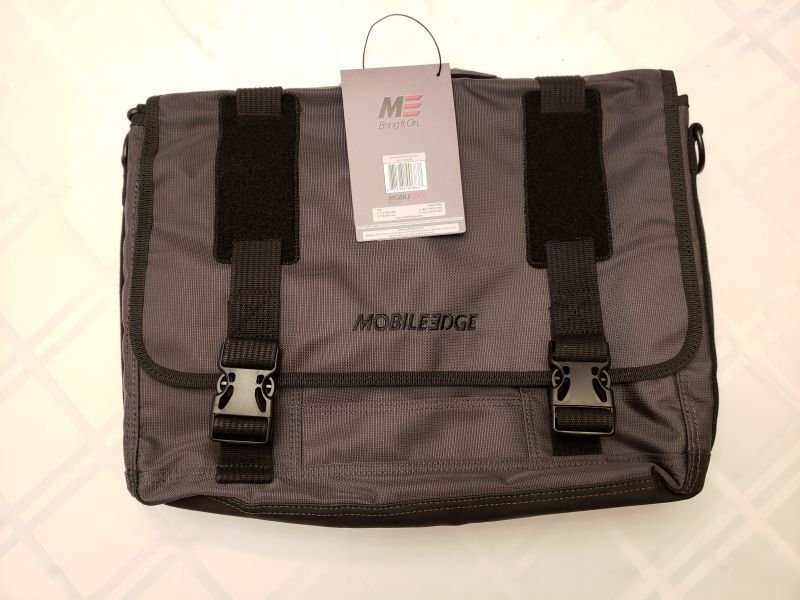

In today’s fast-paced professional world, a briefcase is more than just a bag for carrying documents. It is an essential accessory that helps people organize their work essentials, protect valuable electronics, and maintain a professional appearance. As environmental awareness continues to grow, many professionals are looking for products that combine practicality, durability, and sustainability. The mobile edge eco-friendly briefcase is an interesting topic for anyone exploring environmentally conscious business accessories and modern work bags.
Eco-friendly briefcases reflect a broader shift toward responsible purchasing decisions. Instead of focusing only on appearance or price, consumers increasingly consider the materials used in manufacturing, the expected lifespan of a product, and the environmental effects associated with its production. For professionals who travel frequently or carry laptops and other electronic devices, choosing a thoughtfully designed briefcase can be a practical step toward a more sustainable lifestyle.
This guide explores the potential features, benefits, materials, buying considerations, and maintenance practices associated with an eco-friendly briefcase from Mobile Edge. It also explains how shoppers can evaluate sustainability claims and determine whether a particular bag meets their professional needs.
What Is a Mobile Edge Eco-Friendly Briefcase?
The phrase mobile edge eco-friendly briefcase describes a business bag associated with Mobile Edge, a brand known for laptop carrying cases and computer accessories. The term emphasizes a combination of professional functionality and environmentally conscious design.
An eco-friendly briefcase generally aims to reduce environmental impact through choices involving materials, manufacturing, packaging, durability, or product life. Depending on the particular model, these characteristics might include recycled fabrics, reduced use of virgin materials, long-lasting construction, or packaging designed to limit unnecessary waste.
However, it is important to distinguish between a general product category and a verified product specification. Not every briefcase from a laptop bag manufacturer is necessarily environmentally certified or made from recycled materials. Anyone considering a specific Mobile Edge model should check its official product description to confirm which sustainable features it actually offers.
A suitable briefcase should also perform its primary job effectively. It needs to protect a laptop, organize work accessories, and remain comfortable to carry throughout a busy day. Environmental considerations become especially valuable when they are combined with these practical requirements.
Why Eco-Friendly Briefcases Are Becoming Popular
Sustainability has become an important consideration across many consumer product categories. Clothing, electronics, furniture, travel accessories, and office supplies are increasingly evaluated according to their environmental footprint.
Briefcases are part of this trend because they are frequently used products that can remain in service for years. A well-made bag may accompany someone through university, multiple jobs, business trips, and daily commutes.
Growing Environmental Awareness
Consumers are paying more attention to the resources required to manufacture everyday products. Traditional synthetic fabrics often rely on petroleum-based materials, while leather production can involve significant land, water, and chemical inputs. The actual impact varies according to sourcing, manufacturing methods, and the complete life cycle of a product.
Some environmentally conscious bags use recycled polyester or other recovered materials to reduce demand for newly produced resources. Other designs emphasize durable construction and repairability rather than relying exclusively on alternative materials.
A responsible purchasing decision involves examining the complete product rather than judging sustainability from its appearance alone.
Demand for Practical and Sustainable Products
Modern professionals often prefer products that perform several functions. A business briefcase may need to accommodate a laptop, charger, notebook, phone, documents, headphones, and personal belongings.
An eco-friendly model becomes more attractive when it combines this functionality with responsible material choices. Buyers do not necessarily need to sacrifice organization, comfort, or a professional appearance to make a more environmentally conscious decision.
Long-Term Value
A low-cost bag that wears out quickly may need to be replaced several times. By contrast, a durable briefcase that remains useful for many years can reduce replacement frequency and the waste associated with discarded products.
The most economical option is not always the one with the lowest initial price. Construction quality, repair options, warranty coverage, and expected lifespan all contribute to a product’s overall value.
Important Features to Look For
When evaluating a mobile edge eco-friendly briefcase, shoppers should focus on the features that make a bag suitable for everyday professional use.
1. Sustainable Materials
Materials are among the first things to investigate when evaluating an environmentally conscious briefcase.
Recycled polyester is commonly used in bags and backpacks because it can be manufactured from recovered plastic materials, including certain types of plastic bottles. Depending on its production process, recycled fabric may reduce the need for virgin raw materials.
Other potentially useful materials include recycled nylon, responsibly sourced natural fibers, and fabrics designed for extended use. Each material has advantages and limitations. For example, recycled synthetic fabrics can still contribute to microfiber pollution, while natural materials may require considerable water, energy, or chemical inputs.
Consumers should look for specific information about recycled content, material sourcing, and certifications. General terms such as green, sustainable, or eco-friendly are less informative without supporting details.
2. Laptop Protection
A modern business briefcase should provide reliable protection for electronic devices. Laptops are expensive, and damage during commuting or travel can create unnecessary costs.
Look for a padded laptop compartment, secure closures, and a structure that helps prevent devices from moving excessively inside the bag. The compartment should match the dimensions of the laptop rather than relying solely on a manufacturer’s screen-size label.
Additional protective features may include reinforced corners, cushioned dividers, and soft internal linings. These features are especially valuable for people who carry their computers on crowded trains, buses, or airplanes.
Although protective padding may add weight, it can help extend the useful life of expensive electronics. Preventing damage is another practical aspect of responsible consumption.
3. Organized Storage
Organization is essential for professionals who carry several items throughout the day.
A well-designed briefcase may include separate compartments for documents, pens, charging cables, smartphones, business cards, and accessories. Dedicated pockets make frequently used items easier to find and reduce the likelihood of misplacing small belongings.
Some bags also feature expandable storage, allowing users to carry additional documents or clothing when necessary. However, excessive compartments can add unnecessary bulk. Buyers should select a layout that matches their actual daily routine.
Before purchasing, consider the items you normally carry and whether the available compartments can accommodate them comfortably.
4. Durable Construction
Durability is closely connected to sustainability. A briefcase that withstands frequent use can remain functional longer and may reduce the need for replacement.
Examine the stitching, zippers, handles, shoulder straps, and reinforced stress points. These areas often experience the most wear during regular use.
Strong stitching and dependable hardware are particularly important for people who carry heavy laptops or travel frequently. A comfortable handle and an adjustable shoulder strap can also make the bag easier to use over long periods.
A durable design should balance strength with reasonable weight. A bag that is unnecessarily heavy may become uncomfortable during a long commute.
5. Professional Appearance
A briefcase often forms part of a person’s professional presentation. Its design should suit the environment in which it will be used.
Minimalist colors, clean lines, and understated detailing generally work well in offices, client meetings, and business travel. Some people prefer traditional briefcase styling, while others favor a modern design that resembles a laptop messenger bag.
The best option depends on personal taste and workplace expectations. Fortunately, a professional-looking bag does not need to be disposable or environmentally wasteful.
Benefits of Choosing an Eco-Friendly Briefcase
An environmentally conscious briefcase can offer several advantages when its construction and features match the user’s requirements.
Supporting More Responsible Consumption
Choosing a product made with verified recycled materials can support demand for manufacturing approaches that reuse existing resources. While a single purchase cannot eliminate environmental problems, consumer choices can contribute to broader market demand for better materials and production practices.
It is also useful to avoid unnecessary purchases. Someone who already owns a functional briefcase may achieve a greater reduction in waste by continuing to use it rather than replacing it simply to follow a sustainability trend.
Protecting Valuable Electronics
A properly designed laptop compartment helps protect computers from everyday bumps and accidental movement. This is important for students, remote workers, consultants, and business travelers who depend on their devices.
Keeping a laptop in a secure compartment can also make it easier to separate electronics from water bottles, food containers, and other belongings.
Improving Daily Organization
A briefcase with dedicated storage areas can make a working day more efficient. Instead of searching through one large compartment, users can keep essential items in predictable locations.
Better organization can be particularly helpful during meetings, airport security checks, and commutes. A structured bag also makes it easier to identify items that should be removed before leaving home or the office.
Supporting Long-Term Savings
A durable briefcase can provide value over an extended period. Although the initial purchase price may be higher than that of some basic alternatives, fewer replacements can make the long-term cost more reasonable.
Consider the cost per year of use rather than comparing prices alone. A bag used every weekday for several years may offer better value than a cheaper alternative that requires frequent replacement.
Encouraging Thoughtful Purchasing Habits
Shopping for sustainable products encourages consumers to ask useful questions about manufacturing, durability, repairability, and end-of-life disposal.
These questions can influence future purchases beyond briefcases. People may begin applying the same approach to backpacks, clothing, office equipment, and travel accessories.
How to Choose the Right Mobile Edge Briefcase
Selecting a suitable briefcase requires balancing environmental considerations with everyday needs.
Determine Your Laptop Size
Start by checking the exact dimensions of your laptop. Measure its width, depth, and thickness if necessary, and compare these measurements with the bag’s stated laptop-compartment dimensions.
A compartment that is too small will not accommodate the device, while one that is excessively large may allow it to move around.
Do not assume that every bag advertised for a particular laptop screen size will fit every computer with that screen size.
Consider Your Daily Routine
Think about how you will use the briefcase.
Office workers may prioritize document storage, a professional appearance, and convenient access to everyday essentials. Frequent travelers may need a luggage pass-through sleeve, secure pockets, and a lightweight design. Students may benefit from additional storage for notebooks, chargers, and personal items.
A bag that suits your routine is more likely to remain useful for a long time.
Evaluate the Environmental Claims
Read the product specifications carefully. If a manufacturer describes a bag as environmentally friendly, look for details about recycled content, certifications, material composition, and packaging.
Where available, independent environmental certifications or documented material standards can provide stronger evidence than broad marketing language.
It is also worth checking whether the manufacturer provides repair services, replacement parts, or guidance for responsible disposal.
Check Comfort and Weight
A briefcase can become uncomfortable when carried for several hours. Look for a padded shoulder strap, comfortable handles, and a design that distributes weight appropriately.
If you regularly carry a heavy laptop and accessories, test the bag with a similar load when possible. Consider whether the strap stays securely in place and whether the bag rests comfortably against your body.
Compare Warranty and After-Sales Support
Warranty coverage can provide useful information about the manufacturer’s commitment to product quality. Before purchasing, check the warranty period, covered defects, exclusions, and process for requesting repairs.
A warranty does not guarantee that a product is sustainable, but dependable after-sales support can help extend its practical lifespan.
Mobile Edge Eco-Friendly Briefcase vs. Traditional Briefcases
Traditional briefcases and environmentally conscious models can both be useful. Their differences depend on the materials, construction, features, and manufacturing processes of the specific products being compared.
Traditional leather briefcases often emphasize a classic appearance and can develop a distinctive look over time. However, leather production has environmental considerations involving livestock, land use, tanning, and chemical management.
Conventional synthetic briefcases may be lightweight, water-resistant, and affordable. Their environmental impact depends on the type of material used, how it is manufactured, and whether the product can be repaired or recycled.
A briefcase incorporating recycled materials may reduce demand for virgin resources, but recycled content alone does not automatically make it the most sustainable choice.
For a fair comparison, examine the following factors:
- Material composition and verified recycled content.
- Expected lifespan and resistance to everyday wear.
- Laptop protection and storage capacity.
- Ease of cleaning and repair.
- Manufacturing transparency and relevant certifications.
- Packaging, warranty, and end-of-life options.
The best choice is the one that meets practical requirements while demonstrating credible environmental benefits.
How to Maintain an Eco-Friendly Briefcase
Proper maintenance can help a briefcase remain useful for years.
Clean It Regularly
Remove loose dirt and dust with a soft cloth or brush. For stains, follow the manufacturer’s cleaning instructions and test any cleaning product on a small, inconspicuous area first.
Avoid aggressive chemicals unless they are specifically approved for the material. Incorrect cleaning methods can weaken fabrics, damage coatings, or affect water resistance.
Avoid Overloading the Bag
Carrying more weight than a bag is designed to support can damage handles, straps, stitching, and zippers. Pack only what you need and distribute the weight evenly.
Keep sharp objects away from delicate internal linings and electronic devices.
Store It Properly
When the briefcase is not in use, empty it and allow it to dry completely if it becomes damp. Store it in a cool, dry location away from direct sunlight and excessive heat.
Keeping the bag clean and dry can help prevent odors, material deterioration, and unnecessary wear.
Repair Minor Damage
A loose stitch, damaged zipper pull, or worn strap does not always mean the entire bag needs replacing. Where possible, arrange a repair or replace the damaged component.
Repairing a bag can preserve the resources already used to manufacture it and prevent a functional product from becoming unnecessary waste.
Who Should Consider an Eco-Friendly Briefcase?
An eco-friendly briefcase may appeal to a wide range of people.
Business professionals can use it to carry laptops, documents, and work accessories while maintaining a polished appearance.
Students may appreciate a durable bag that accommodates computers, notebooks, and charging equipment throughout the academic year.
Remote workers can benefit from a convenient way to transport their equipment between home, coworking spaces, and offices.
Frequent travelers may prioritize protective compartments, organized storage, and comfortable carrying options.
Environmentally conscious shoppers may prefer products that disclose their material composition and demonstrate a commitment to longer product life.
Regardless of the user’s occupation, the most important consideration is whether the briefcase provides the right combination of protection, comfort, organization, and durability.
Common Mistakes to Avoid When Buying an Eco-Friendly Briefcase
One common mistake is assuming that a product is sustainable simply because its description includes environmentally friendly language. Buyers should seek measurable details about materials and manufacturing.
Another mistake is focusing exclusively on recycled content while ignoring durability. A bag that wears out quickly may require replacement sooner, reducing some of the benefits associated with its materials.
Choosing the wrong size is also a frequent problem. A laptop compartment should fit the intended device, and the remaining storage should accommodate everyday accessories without requiring excessive force or overpacking.
Some shoppers overlook comfort. Even a well-made briefcase can become frustrating if its straps are uncomfortable or its weight is poorly distributed.
Finally, buyers should avoid paying a premium without understanding what justifies it. Sustainable materials, durable hardware, repair services, and transparent sourcing may contribute to a higher price, but each claim should be evaluated individually.
Frequently Asked Questions
What Is a Mobile Edge Eco-Friendly Briefcase?
The term describes a briefcase associated with Mobile Edge and the idea of environmentally conscious business bags. The exact sustainable features depend on the model, so buyers should verify the manufacturer’s specifications before purchasing.
Are Eco-Friendly Briefcases Made From Recycled Materials?
Some are made with recycled polyester, recycled nylon, or other recovered materials. However, not every product described as eco-friendly contains recycled fabric. Check the product label and official specifications to confirm its composition.
Can an Eco-Friendly Briefcase Protect a Laptop?
Yes. A suitable model can include padded compartments, protective dividers, secure closures, and reinforced construction. Buyers should verify that the laptop compartment fits their device correctly.
Is an Eco-Friendly Briefcase Worth the Price?
It can be worthwhile if it combines reliable protection, durable construction, useful organization, and credible environmental benefits. Comparing the expected lifespan and total cost of ownership can help determine its value.
How Can I Tell Whether a Briefcase Is Truly Sustainable?
Look for specific information about recycled content, material sourcing, independent certifications, durability, repair options, and packaging. Avoid relying on broad marketing claims without supporting evidence.
How Long Can a Good Briefcase Last?
Its lifespan depends on material quality, construction, frequency of use, carrying weight, and maintenance. Regular cleaning and timely repairs can help extend the life of many briefcases.
Final Thoughts
The mobile edge eco-friendly briefcase represents an appealing idea for professionals who want to combine everyday convenience with more responsible purchasing decisions. A thoughtfully selected briefcase can protect valuable electronics, organize work essentials, support comfortable commuting, and maintain a professional appearance.
Nevertheless, sustainability should be evaluated through specific product features rather than assumptions. Buyers should investigate material composition, construction quality, environmental certifications, repair options, and warranty coverage before choosing a particular model.
It is equally important to select a briefcase that genuinely fits everyday needs. The right size, useful compartments, reliable laptop protection, and comfortable carrying design all contribute to long-term satisfaction.
Ultimately, a sustainable approach to business accessories is not only about buying products made from alternative materials. It is also about purchasing thoughtfully, maintaining items properly, repairing them when possible, and using them for as long as they remain functional. By applying these principles, professionals can make a more informed decision when evaluating a Mobile Edge briefcase or any other business bag marketed as an environmentally conscious option.