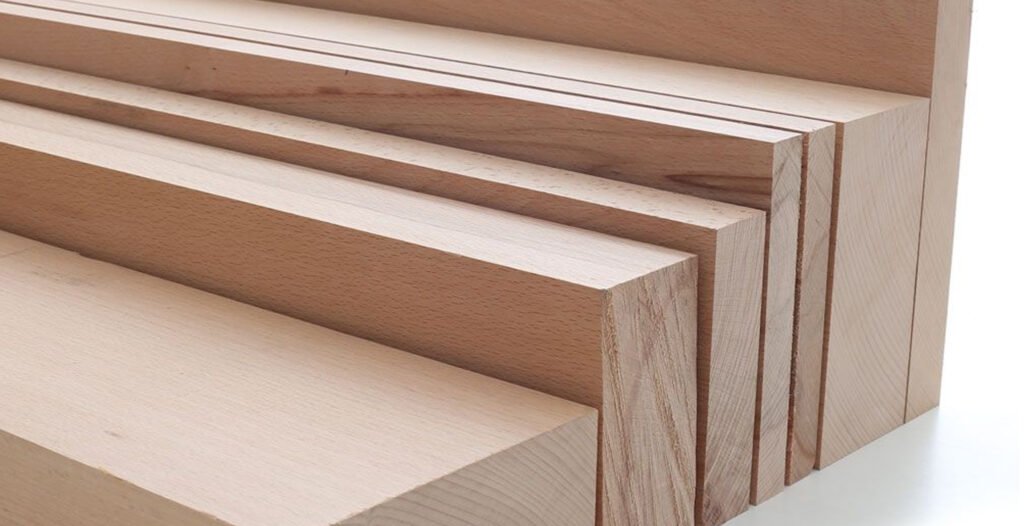

The term planed all round is commonly associated with timber, woodworking, construction, and furniture manufacturing. It describes a type of finished wooden material that has been processed on all four sides to create smooth, even, and accurately sized surfaces. Whether someone is working on a home improvement project, building furniture, installing shelves, or selecting materials for a professional construction job, understanding planed all round timber can make a significant difference in the quality of the final result.
Wood is one of the oldest and most widely used building materials in the world. However, freshly cut timber does not always have the smooth appearance or precise dimensions needed for modern projects. It may contain rough edges, uneven surfaces, saw marks, and small imperfections. This is where planing becomes important. Through a specialized machining process, timber can be transformed into a more refined and practical product.
In this guide, we will explore what planed all round means, how the process works, its main benefits, common applications, available timber types, and important considerations when purchasing it.
What Does Planed All Round Mean?
Planed all round, often abbreviated as PAR, refers to timber that has been mechanically processed on all four sides. This means the two wider faces and two narrower edges have been smoothed using specialized woodworking machinery.
Unlike rough-sawn timber, which usually has an uneven surface, planed all round wood has a cleaner and more consistent finish. Its smooth surfaces make it easier to handle, measure, cut, join, paint, stain, and install.
The process also helps produce timber with more consistent dimensions. Although the final measurements depend on the original wood and the amount of material removed during machining, the result is generally more suitable for projects that require accuracy.
For example, a rough-sawn piece of timber may have irregular edges and visible saw marks. After being planed all round, it becomes smoother and more uniform, making it useful for furniture, decorative features, and interior construction.
It is important to understand that planed all round does not necessarily mean the wood is completely free from natural imperfections. Knots, grain variations, and other characteristics may remain because they are part of the natural structure of the timber.
How Is Planed All Round Timber Made?
Producing planed all round timber involves several steps. The goal is to transform rough wooden boards into smooth, accurately finished pieces without unnecessarily removing too much material.
1. Selecting the Timber
The first stage involves choosing suitable timber for processing. Woodworkers and manufacturers consider the species, dimensions, moisture content, and overall condition of the material.
Different wood species have different characteristics. Some are relatively soft and easy to machine, while others are harder and require more specialized equipment.
The timber must also be checked for significant defects that could affect its strength or appearance.
2. Preparing the Wood
Before planing begins, the timber may need to be dried and prepared. Moisture content is particularly important because excessive moisture can cause wood to shrink, twist, or warp after processing.
Properly dried timber is generally more stable and easier to machine accurately.
3. Planing the Surfaces
The timber passes through a woodworking machine equipped with rotating cutting blades. These blades remove thin layers of wood from the surfaces.
The process gradually creates smoother faces and more consistent edges.
Industrial planing equipment can process multiple sides efficiently, allowing manufacturers to produce large quantities of finished timber.
4. Checking the Dimensions
Once the machining process is complete, the timber is inspected to ensure that its dimensions are reasonably consistent.
Manufacturers may use measuring equipment to check thickness, width, and straightness.
5. Final Inspection and Storage
The finished wood is checked for visible damage, machining marks, and other quality issues. It is then stored in suitable conditions until it is ready for distribution.
Proper storage helps protect planed timber from excessive moisture and environmental changes.
Main Benefits of Planed All Round Timber
There are several reasons why planed all round timber is popular among builders, furniture makers, and DIY enthusiasts.
Smooth and Attractive Appearance
One of the most noticeable benefits is its smooth finish. Rough-sawn timber can look unfinished and may require significant preparation before it becomes suitable for decorative applications.
Planed all round timber offers a cleaner appearance straight from the supplier. This makes it particularly useful for projects where the wood will remain visible.
For example, it can be used for shelves, furniture frames, decorative panels, and interior wooden structures.
Easier to Handle
Rough timber may have splinters, sharp edges, and uneven surfaces. These characteristics can make it uncomfortable to handle.
Planing removes many of these surface irregularities, creating a more manageable product.
However, users should still wear suitable protective equipment when cutting or machining wood.
Consistent Dimensions
Accurate dimensions are important in construction and woodworking. Even small differences in thickness or width can affect how components fit together.
Planed all round timber is generally more dimensionally consistent than rough-sawn timber.
This makes it useful when creating furniture, cabinets, shelving systems, and other projects that require several matching wooden components.
Reduced Preparation Time
Using rough timber often requires additional sanding and surface preparation.
Because planed all round wood already has smooth surfaces, it can reduce the amount of preparation required before installation or finishing.
Some projects may still require light sanding, particularly when a very polished appearance is desired.
Suitable for Different Finishes
Smooth timber provides a good starting point for painting, staining, varnishing, and other finishing treatments.
The finished appearance depends on the wood species, grain pattern, preparation, and finishing products used.
For people interested in decorative woodworking, this flexibility is an important advantage.
Common Uses of Planed All Round Timber
Planed all round timber is suitable for many applications. Its combination of smooth surfaces and consistent dimensions makes it useful in both residential and commercial projects.
Furniture Manufacturing
Furniture manufacturing is one of the most common applications.
Woodworkers use planed timber to produce:
- Tables and chairs.
- Bed frames.
- Cabinets and cupboards.
- Bookshelves.
- Desks and workstations.
- Wooden benches.
- Decorative furniture components.
The smooth finish makes it easier to assemble furniture and apply protective coatings.
Interior Construction
Planed all round timber is also used in interior building projects.
It can be suitable for door frames, decorative trim, wooden partitions, shelving supports, and other interior features.
Its finished appearance is especially useful when the timber remains visible after installation.
Shelving and Storage Solutions
Shelves need suitable dimensions and a relatively smooth surface to provide a professional appearance.
Planed timber is often selected for wall-mounted shelves, storage units, bookcases, and garage organization systems.
It can be cut to the required length and finished according to the project’s design.
DIY Home Improvement
DIY enthusiasts frequently choose planed all round timber because it is easier to work with than unfinished wood.
Common home improvement projects include small storage boxes, garden structures, decorative wall features, wooden frames, and household furniture.
Beginners may find it particularly convenient because several preparation steps have already been completed.
Decorative Woodworking
Wood is widely appreciated for its natural texture and appearance.
Planed all round timber can be used to create decorative items such as picture frames, wooden signs, wall panels, display stands, and handcrafted accessories.
Different timber species offer different colors and grain patterns, providing plenty of creative possibilities.
Popular Types of Wood Used for Planed All Round Products
Planed all round timber is available in different wood species. The right choice depends on the intended application, appearance, durability, and budget.
Pine
Pine is a popular softwood used in furniture, shelving, interior construction, and general woodworking.
It is relatively lightweight and easy to cut, making it suitable for many DIY projects.
Pine also accepts several types of finishes, although knots and resin pockets may influence the final appearance.
Oak
Oak is a well-known hardwood valued for its strength, durability, and attractive grain.
It is commonly used for high-quality furniture, flooring components, decorative woodwork, and interior features.
Oak is generally more expensive than many softwoods, but its appearance and performance make it a popular choice for premium projects.
Spruce
Spruce is another softwood commonly used in construction and woodworking.
It is relatively lightweight and can be suitable for interior applications, frames, and general building projects.
Its suitability depends on the grade, moisture content, and intended use.
Beech
Beech is a hardwood with a relatively uniform grain and attractive light appearance.
It is often used for furniture, work surfaces, wooden handles, and interior woodworking.
Its hardness makes it suitable for applications where a durable wooden surface is desirable.
Cedar
Cedar is appreciated for its natural appearance and characteristic aroma.
Some cedar species have useful natural resistance to certain insects and decay, making them popular for selected outdoor and indoor applications.
However, the appropriate species and treatment should always be considered before using cedar in exposed environments.
Planed All Round vs. Rough-Sawn Timber
Understanding the difference between planed all round and rough-sawn timber helps buyers choose the right product.
| Feature | Planed All Round | Rough-Sawn Timber |
|---|---|---|
| Surface | Smooth on four sides | Generally rough |
| Appearance | Refined and finished | Unfinished |
| Dimensions | More consistent | May be less consistent |
| Preparation | Usually requires less preparation | Often requires additional machining |
| Handling | Generally easier | May contain rough edges and splinters |
| Applications | Furniture and visible woodwork | Structural and general construction |
Neither option is automatically better for every project.
Rough-sawn timber may be more economical when large quantities are needed or when further machining is already part of the manufacturing process.
Planed all round timber is often more convenient when a smooth, ready-to-use surface is important.
Important Factors to Consider Before Buying
Choosing suitable timber requires more than simply looking at its appearance. Several factors can influence its performance and long-term reliability.
Timber Dimensions
Always check the thickness, width, and length before purchasing.
Remember that planed timber is usually smaller than its original rough-sawn dimensions because material is removed during machining.
For this reason, buyers should confirm the finished dimensions rather than relying on the original nominal measurements.
Moisture Content
Moisture content plays an important role in timber stability.
Wood with excessive moisture may shrink as it dries, potentially creating gaps or changes in dimensions.
For interior furniture and other precision applications, appropriately dried timber is generally preferable.
Wood Grade
Timber grading provides information about its appearance and certain quality characteristics.
Depending on the supplier and grading system, different grades may allow varying levels of knots, grain irregularities, and other natural features.
Choose a grade that matches the project’s requirements.
Straightness
Inspect the timber for twisting, bowing, and bending.
Straight boards are generally easier to install and assemble, particularly when constructing cabinets, furniture frames, and shelving systems.
Intended Application
The intended use should guide the purchasing decision.
For example, decorative furniture may require attractive grain patterns, while hidden supports may place greater importance on strength and suitable structural grading.
Not all planed timber is automatically suitable for load-bearing construction.
Is Planed All Round Timber Suitable for Outdoor Projects?
Planed all round timber can be used in outdoor projects, but the choice of wood species and protective treatment is extremely important.
Outdoor environments expose timber to rain, sunlight, temperature changes, and moisture fluctuations. Without suitable protection, some wood species may deteriorate relatively quickly.
For outdoor applications, consider timber with appropriate natural durability or a suitable preservative treatment.
Protective coatings can also help reduce moisture penetration and weather-related damage.
Common outdoor applications include garden furniture, decorative fencing, planter boxes, and selected landscaping features.
However, structural outdoor projects require careful consideration of timber grading, treatment standards, fasteners, and local building requirements.
How to Maintain Planed All Round Timber
Although planed all round timber has a smooth finish, proper maintenance is necessary to preserve its appearance and performance.
Here are some practical maintenance recommendations.
Clean the surface regularly: Use a soft cloth to remove dust and dirt. Avoid excessive water, especially on untreated wood.
Apply suitable protective finishes: Depending on the application, varnish, paint, oil, or wood stain may help protect the surface.
Control moisture exposure: Avoid storing timber in damp environments. Excessive moisture can contribute to swelling, warping, and decay.
Inspect regularly: Check wooden furniture and structures for cracks, loose joints, and other signs of damage.
Avoid direct environmental stress: Keep indoor wooden furniture away from excessive heat and prolonged sunlight where possible.
Repair surface damage: Small scratches and imperfections can often be addressed through suitable sanding and refinishing techniques.
With appropriate care, planed timber can maintain its appearance and usefulness for many years.
Is Planed All Round Timber Good for Beginners?
Yes, planed all round timber can be an excellent option for people who are new to woodworking.
One reason is that its surfaces have already been machined, reducing the need for specialized preparation equipment.
Beginners can focus on learning fundamental woodworking skills such as measuring, cutting, drilling, fastening, and assembling.
It is also useful for small projects that can be completed with basic tools.
For example, someone learning woodworking could start with a simple bookshelf, a small storage box, or a basic wooden table.
Nevertheless, beginners should learn how to measure accurately and use woodworking tools safely. Smooth timber still requires careful cutting, drilling, and finishing.
Environmental Considerations
Wood is a renewable natural material when it comes from responsibly managed forests.
However, responsible timber purchasing is important because forestry practices can affect biodiversity, ecosystems, and long-term forest health.
Buyers can look for credible certification schemes such as FSC or PEFC when available.
These certifications help identify timber associated with specified responsible forestry and chain-of-custody standards.
It is also worth considering the amount of waste generated during a woodworking project.
Accurate measurements, careful cutting, and efficient material planning can help reduce unnecessary timber waste.
Choosing durable materials and maintaining wooden products properly can also extend their useful life.
Frequently Asked Questions About Planed All Round
1. What is planed all round timber?
Planed all round timber is wood that has been mechanically smoothed on all four sides. It has a more refined appearance and generally more consistent dimensions than rough-sawn timber.
2. What does PAR stand for in woodworking?
PAR stands for Planed All Round. It is a common abbreviation used by timber suppliers and woodworking professionals.
3. Is planed all round wood ready to use?
It is generally ready for many woodworking and construction applications. However, cutting, light sanding, finishing, or additional treatment may still be necessary depending on the project.
4. Is planed all round timber more expensive?
It can cost more than comparable rough-sawn timber because additional machining and processing are required. However, the reduced preparation time may make it a convenient option.
5. Can planed all round timber be painted?
Yes. Its smooth surface makes it suitable for painting, staining, and varnishing. Proper cleaning, preparation, and the correct primer or finishing product can improve the final result.
6. Does planed all round mean the timber is waterproof?
No. Planing only describes the machining and surface finish. It does not automatically make timber waterproof or resistant to moisture.
7. Can I use planed all round timber for furniture?
Yes. It is commonly used for furniture manufacturing because its smooth surfaces and consistent dimensions make cutting and assembly easier.
Conclusion
Planed all round timber is a practical and versatile material for woodworking, furniture manufacturing, interior construction, and DIY home improvement projects. Its smooth surfaces, consistent dimensions, and attractive appearance make it a convenient alternative to rough-sawn timber when a refined finish is required.
Understanding the meaning of planed all round, its manufacturing process, available wood species, and common applications can help buyers make better decisions. Whether you are building a bookshelf, designing custom furniture, improving your home, or working on a professional construction project, selecting the right timber is an important part of achieving a successful result.
The key is to consider the wood species, finished dimensions, moisture content, grade, and intended application before making a purchase. With proper selection, installation, and maintenance, planed all round timber can provide an attractive and dependable solution for a wide variety of woodworking needs.