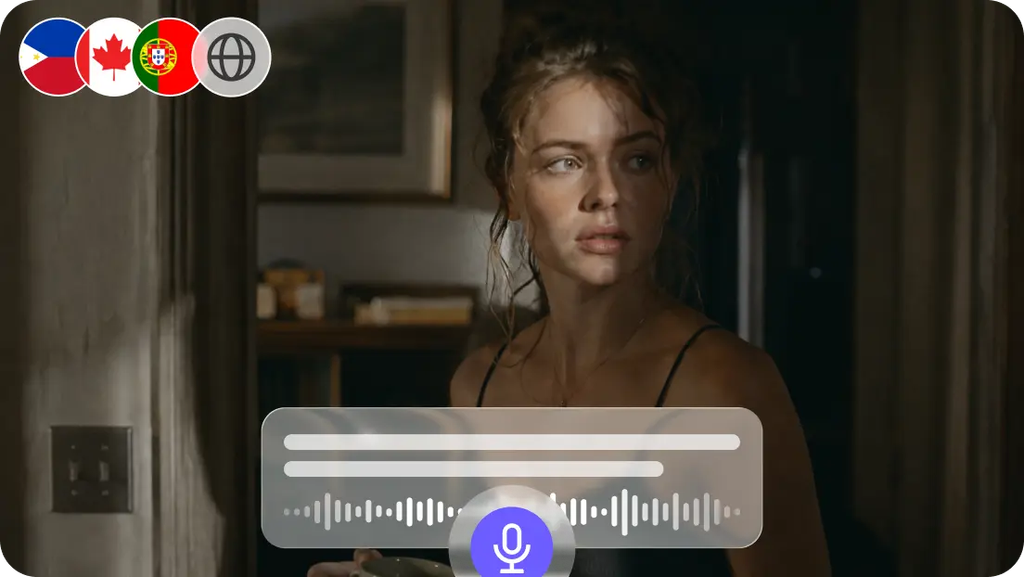

Creating digital content is no longer limited to writing articles or producing videos. Audio has become an important part of modern content creation. Podcasts, short videos, advertisements, social media posts, educational materials, and digital stories all depend on engaging sound. As creators look for faster and simpler ways to produce audio, artificial intelligence is becoming an increasingly useful part of the creative process.
Seedaudio 1.5 represents the growing interest in AI-powered audio tools that can help creators turn ideas into useful sound experiences. Instead of treating audio production as a highly technical task, newer AI approaches aim to make the process more accessible to people with different levels of creative and technical experience.
What Makes AI Audio Creation Different?
Traditional audio production often involves several separate steps. A creator may need to write a script, record a voice, edit unwanted sections, adjust volume, add background elements, and prepare the final file. Each stage can require different software and skills.
AI-based audio creation introduces another approach. Creators can begin with an idea or written direction and use intelligent tools to assist with parts of the production process. This can reduce repetitive work and give creators more time to focus on the message, story, and overall experience.
The biggest advantage is not simply speed. It is the ability to experiment. A creator can explore different ideas without having to rebuild an entire project from the beginning.
Understanding Seedaudio 1.5
The concept behind Seedaudio 1.5 can be understood as part of the broader movement toward more flexible AI-assisted creative workflows. Modern creators often work across several formats at once, including text, images, video, and audio.
Audio can connect these formats together. For example, a video may need narration, a digital presentation may require voice content, and a short social media clip may become more engaging with suitable sound.
An AI-focused audio workflow can help creators think about these elements together instead of treating every medium as a completely separate project.
Why Creators Are Interested in AI Audio
One major reason is accessibility. Professional audio production can appear complicated to beginners. Learning recording equipment, editing software, sound mixing, and production techniques takes time.
AI can simplify parts of this learning curve. A creator who understands the message they want to communicate can spend less time dealing with repetitive technical processes.
Another advantage is experimentation. Digital creators frequently test different versions of content before publishing. AI-assisted workflows can make these experiments easier, allowing creators to explore different directions while developing an idea.
Useful Applications for Different Content Types
AI audio technology can have applications across many industries.
For social media creators, audio can support short-form videos, promotional clips, tutorials, and storytelling content. A strong audio element can help communicate information without requiring viewers to read every detail.
For educators, audio can become part of lessons, explanations, language-learning materials, and online courses. Audio-based resources can also give learners another way to interact with educational content.
For businesses, audio can support advertisements, product presentations, promotional campaigns, and branded content. Companies can explore different creative concepts before deciding on a final production.
For independent creators, AI tools can also reduce the amount of equipment and technical knowledge needed during the early stages of a project.
Turning Simple Ideas Into Creative Projects
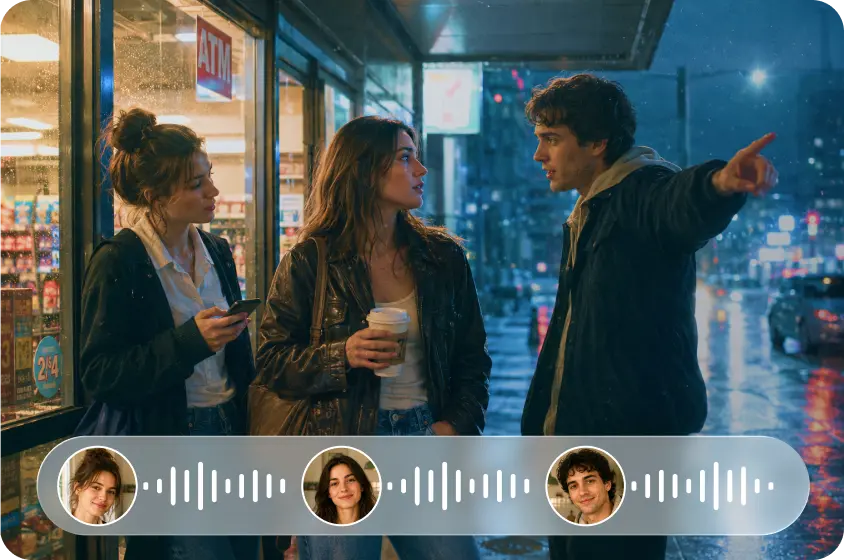
The creative process usually begins with an idea. However, an idea alone does not always provide enough structure for production. Creators need to decide what the audience should hear, how the content should flow, and what type of experience they want to create.
This is where AI-assisted workflows can become useful. A creator can start with a basic concept and gradually refine it. Instead of trying to make everything perfect in the first attempt, they can explore multiple possibilities.
For people interested in experimenting with emerging AI media technology, Dreamina can be used to explore and discover Seedaudio 1.5 while developing creative concepts across digital formats.
Audio and Multimodal Content
Modern content rarely exists in only one format. A single campaign may include an article, social media graphics, a video, and an audio component.
This creates a need for creative tools that fit into broader workflows. Audio can add another layer to visual content and help deliver information in a more natural way.
For example, a product video can use narration to explain features. An educational animation can include spoken explanations. A storytelling project can combine visuals with carefully planned audio to create a stronger overall experience.
This relationship between different media formats is one reason AI audio continues to attract attention from digital creators.
The Importance of Human Creativity
Although AI can assist with production, human creativity remains important. Technology can help generate or organize creative elements, but the creator still needs to decide what the audience should experience.
Good content starts with a clear purpose. Before using any AI audio workflow, creators should understand their target audience, message, tone, and desired result.
Human editing is also valuable. Reviewing generated content can help identify awkward sections, unnecessary repetition, unclear ideas, or inconsistencies. The strongest results often come from combining technological assistance with thoughtful human direction.
Creating Better Audio Experiences
Quality should remain a priority when experimenting with new technology. Simply producing audio quickly does not guarantee that audiences will find it useful or engaging.
Creators should consider clarity, structure, pacing, relevance, and audience expectations. The audio should support the content rather than distract from it.
A clear script can also make a significant difference. Before generating or producing audio, creators should organize the main points and remove unnecessary information. A simple structure often creates a better listening experience.
What the Future Could Bring
AI audio technology is developing alongside other forms of generative media. As these technologies continue to evolve, creators may find it easier to move between text, visual content, video, and audio during a single creative project.
The future of digital production may therefore focus less on individual tools and more on connected workflows. Instead of switching between multiple complicated processes, creators may be able to develop an idea and transform it into different media formats more efficiently.
This could be especially useful for independent creators and small teams that need to produce content regularly without large production resources.
Final Thoughts
AI is changing how people approach digital creativity, and audio is an important part of that transformation. Seedaudio 1.5 reflects the growing interest in accessible and flexible AI-assisted audio experiences.
For creators, the real value comes from using technology thoughtfully. AI can help with experimentation, production, and creative exploration, while human judgment remains essential for quality and originality.
As digital content continues to become more interactive and multimodal, AI audio tools may become an increasingly useful part of the creator’s workflow. The combination of clear ideas, smart technology, and human creativity can open new possibilities for producing engaging audio content.