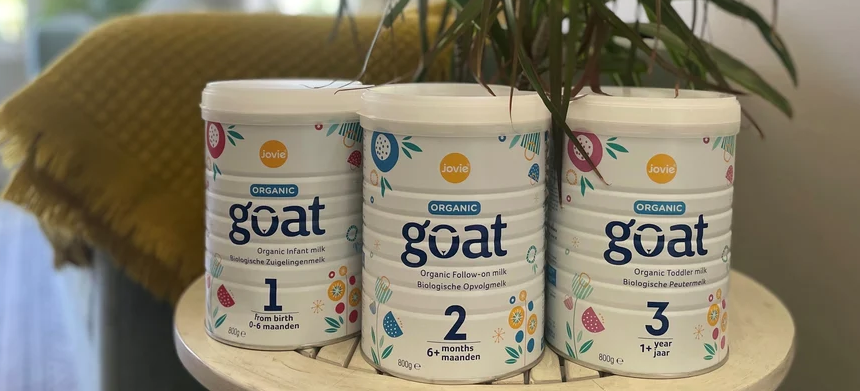

Choosing suitable nutrition for a growing baby is one of the most important decisions parents make during early childhood. From selecting infant formula to introducing cereals, fruits, and age-appropriate snacks, families often spend time comparing products to find options that meet their child’s nutritional needs.
For parents who prefer organic products, organic baby food and formula can offer an opportunity to explore ingredients produced according to specific organic farming standards. However, understanding product labels, nutritional information, age recommendations, and preparation requirements is essential before making a decision.
Whether parents are researching organic infant formula for early feeding or looking for complementary foods as their baby grows, informed choices can help them build a practical and suitable feeding routine.
Understanding the Interest in Organic Baby Food
Organic baby food has become an option for families who want to pay closer attention to how ingredients are produced and processed. Depending on the product category, organic options may include infant formula, baby cereals, fruit purees, snacks, and other foods intended for young children.
Parents may explore these products for several reasons.
- Ingredient awareness: Some families prefer foods made with organically produced agricultural ingredients.
- Product variety: Organic ranges may include different cereals, fruit combinations, and feeding options.
- Dietary preferences: Parents may want products that align with their household’s food preferences.
- Label transparency: Comparing ingredients and nutritional information helps families understand what they are purchasing.
- Convenience: Ready-to-serve foods and packaged products can simplify certain feeding situations.
Organic certification relates to production standards, but it does not automatically mean a product is more nutritious or suitable for every baby. Parents should consider the complete nutritional profile and intended use of each product.
Why Parents Consider Organic Baby Formula
During early infancy, babies need appropriate nutrition to support growth and development. Breast milk is recommended when possible, while infant formula can provide a suitable alternative or supplement when needed.
Parents searching for organic baby milk formula may be interested in products made with ingredients that meet applicable organic production standards.
These products are designed for specific feeding stages, and their suitability depends on the individual formulation.
Nutritional Needs Come First
An infant formula should meet the nutritional requirements for its intended age group. Parents should check the product’s nutritional information, ingredient list, and preparation instructions before purchasing.
Organic certification alone does not establish that one formula is nutritionally superior to another.
Age-Appropriate Formulations
Infant formulas may be labeled for different stages. Parents should confirm that a product is suitable for their baby’s current age and needs.
Products designed for older infants or toddlers should not replace appropriate infant formula during early infancy.
Ingredient Awareness
Parents may compare ingredients such as milk proteins, carbohydrates, vegetable oils, vitamins, and minerals.
However, organic formulas can still contain potential allergens. Babies with diagnosed allergies, suspected reactions, or special nutritional needs may require a specialized product recommended by a healthcare professional.
Safe Preparation
Powdered infant formula is not sterile. Parents should follow the manufacturer’s preparation instructions and applicable public health guidance, including directions for water preparation, storage, and disposal.
Correct preparation is essential regardless of whether the formula is organic or conventional.
Exploring Organic Formula Brands
Parents researching organic infant nutrition may encounter brands such as Holle and Lebenswert Bio.
These brands offer products associated with organic baby nutrition, although formulations, available stages, and labeling may vary between markets.
When comparing products, parents can review several details:
| Comparison factor | Why it matters |
| Age recommendation | Helps identify the intended feeding stage |
| Ingredient list | Provides information about the formula’s composition |
| Nutritional information | Helps parents assess the nutrients supplied |
| Organic certification | Indicates whether the product meets applicable organic standards |
| Preparation instructions | Supports safe and correct preparation |
| Availability and price | Helps families plan purchases and compare options |
Rather than choosing a formula based solely on brand reputation, parents should consider the baby’s nutritional needs and seek professional advice when necessary.
The Role of Organic Baby Cereals
As babies become developmentally ready for complementary foods, cereals can become one option within a varied diet. Complementary feeding generally begins around six months, alongside continued breastfeeding or appropriate infant formula.
Organic baby cereals may contain grains such as oats, rice, wheat, or multigrain combinations.
What Parents Should Look For
When comparing baby cereals, parents should consider:
- Iron content: Iron is especially important during the complementary feeding period. Iron-fortified infant cereals can be one useful source.
- Ingredients: Review the complete ingredient list.
- Added sugars: Check the label for unnecessary added sugars.
- Texture: Choose a consistency suitable for the baby’s feeding abilities.
- Allergen information: Some cereals contain wheat or other ingredients that require consideration.
- Preparation: Follow the manufacturer’s instructions.
Cereals can contribute to a baby’s diet, but they should not be the only complementary food. Offering a range of suitable fruits, vegetables, and iron-rich foods helps provide variety.
Organic Fruit Purees and Pouches for Busy Families
Fruit purees and pouches are popular among parents who want convenient ways to offer fruit. Depending on the product, these foods may contain apples, pears, bananas, berries, or combinations of ingredients.
Organic fruit products may appeal to families who prefer organically produced fruit ingredients.
Benefits of Fruit-Based Products
Fruit purees and pouches can offer practical advantages:
- Convenient packaging for outings.
- Easy serving and portioning.
- A way to introduce different fruit flavors.
- Variety in the available food options.
- Simple storage and handling when used according to package directions.
However, convenience should not replace dietary variety.
Encouraging Different Textures
Babies benefit from gradually experiencing a variety of appropriate textures as their feeding abilities develop. Fruit pouches can be useful occasionally, but they should not be the only way a child eats fruit.
Parents can also offer suitably prepared soft fruit and other age-appropriate foods while supervising meals and snacks.
Why Parents Compare Organic Baby Snacks
Organic baby snacks provide another category for families to explore as children become ready for more varied foods.
These products may include grain-based snacks, soft fruit-based options, or other items designed for older babies and toddlers. Suitability depends on the specific product and the child’s developmental stage.
Important Factors When Choosing Snacks
Texture and shape: Avoid hard, round, sticky, or difficult-to-chew foods that could cause choking.
Ingredients: Review the ingredient list and allergen information.
Added sugar and salt: Check nutritional information and favor appropriate options without unnecessary added sugars or excessive salt.
Age suitability: Confirm that the product matches the child’s feeding abilities.
Role in the diet: Snacks should complement balanced meals rather than replace them.
Young children should always be supervised while eating and should remain seated upright during meals and snacks.
Comparing Organic and Conventional Baby Products
Some parents assume organic products are automatically better, while others focus primarily on price, availability, or nutritional content.
A useful comparison considers the complete product rather than relying on a single label.
| Factor | What to consider |
| Organic certification | Whether ingredients meet applicable organic production standards |
| Nutritional value | The nutrients provided and their role in the child’s diet |
| Ingredients | The product’s complete ingredient list and allergen declarations |
| Age suitability | Whether the product is appropriate for the child’s stage |
| Food safety | Preparation, storage, packaging, and handling requirements |
| Cost | Whether the product fits the family’s budget |
| Availability | Whether the product can be purchased reliably |
Organic and conventional products can both be suitable choices when they meet relevant nutritional and safety standards. The right option depends on the child’s needs and the family’s circumstances.
How to Build a Feeding Routine Around Your Baby’s Needs
A practical feeding routine changes as a baby grows. Parents should prioritize developmental readiness and appropriate nutrition rather than introducing products according to marketing trends.
During Early Infancy
Breast milk or appropriate infant formula provides the primary source of nutrition.
Families using formula should choose a product intended for their baby’s age and follow the preparation directions carefully.
Around Six Months
When a baby is developmentally ready, complementary foods can be introduced alongside breast milk or infant formula.
Suitable options may include soft vegetables, fruits, iron-rich foods, and age-appropriate cereals.
As Feeding Skills Develop
Older babies can gradually explore a wider variety of textures and foods. Parents should continue to supervise meals and offer foods prepared to reduce choking risks.
During the Toddler Years
Toddlers generally benefit from a varied diet containing foods from different food groups. Fruit pouches and packaged snacks can offer convenience, but they should not replace balanced meals.
Specialized toddler milk is not necessary for every child and should not be treated as a substitute for infant formula when infant formula is still needed.
Understanding Organic Labels and Product Information
Reading product labels helps parents compare available options and understand how a food fits into their child’s diet.
Before buying an organic baby product, check the following information.
- Certification: Review the organic certification or labeling information.
- Ingredients: Identify the main ingredients and any potential allergens.
- Nutritional information: Compare nutrient content where applicable.
- Age recommendations: Confirm the intended age range.
- Expiration date: Avoid expired products.
- Packaging: Check for damage, leaks, or signs of tampering.
- Storage instructions: Understand how the product should be stored before and after opening.
An organic label does not guarantee that a product is allergen-free, nutritionally superior, or appropriate for every child.
Safe Handling of Organic Baby Food and Formula
Food safety remains essential for all baby products.
Parents should wash their hands before preparing food, keep feeding equipment clean, and follow package instructions for storage and serving.
For infant formula, it is particularly important to measure water and powder accurately and follow relevant preparation guidance. Powdered formula is not sterile, so additional precautions may be necessary for newborns, premature babies, and infants with weakened immune systems.
For packaged baby foods, parents should follow instructions for refrigeration and use after opening. Food contaminated by saliva or handled unsafely should be discarded.
These practices help families focus on safe feeding regardless of the product’s ingredients or certification.
Finding Organic Baby Food Products in One Place
Families exploring organic nutrition may prefer retailers that offer several baby food categories together. A specialist store may carry infant organic baby formula cereals, fruit pouches, snacks, and other products designed for young children.
For example, a family-run organic baby product store based in Los Angeles may offer Holle and Lebenswert Bio formula alongside organic cereals, fruit pouches, snacks, and teas.
Shopping from a retailer with clear product descriptions can make it easier to compare options. Parents should still evaluate each product individually and confirm that it suits their child’s age and nutritional needs.
Before ordering, check the retailer’s reputation, product authenticity, expiration dates, shipping arrangements, and storage practices. These details are particularly important when purchasing infant formula.
Conclusion
Parents explore organic baby food and formula options for many reasons, including ingredient preferences, product variety, and convenience. Organic infant formula, cereals, fruit purees, pouches, and age-appropriate snacks can all have a place in a child’s feeding routine when selected and used appropriately.
When researching organic baby milk formula and organic baby formula, parents should focus on nutritional composition, age suitability, ingredients, preparation instructions, and food safety rather than relying on organic labeling alone.
By comparing products carefully, introducing complementary foods when developmentally appropriate, and seeking professional guidance when necessary, families can make informed choices that support their child’s changing nutritional needs.